
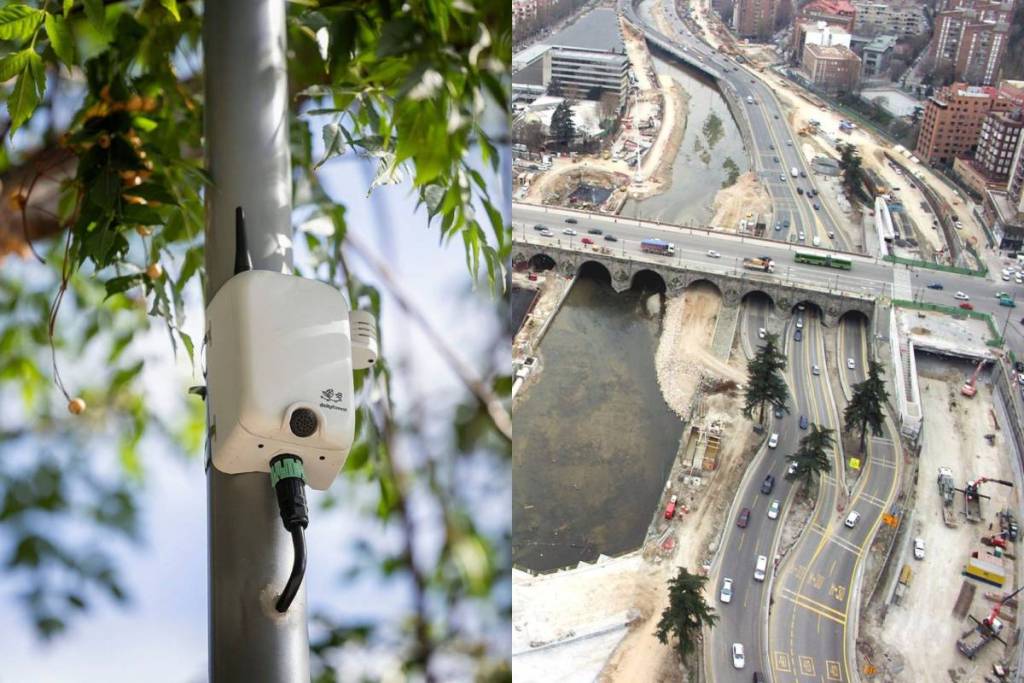

Two decades ago, thousands of cars on the M-30 drove through what is now Madrid Río. After the highway was buried underground and the park was created, that space once dominated by traffic has become a refuge for dozens of animal species. Now, a network of sensors powered by artificial intelligence makes it possible to identify them through their sounds.
In fact, the recovery of the Manzanares’ wildlife began to take shape in 2016, when the dams that had been holding up the water as it flowed through Madrid Río were opened. This measure, spearheaded by Ecologistas en Acción during Manuela Carmena’s term in office, improved water quality and encouraged the return of native species.
Recommended Articles
 A show featuring 500 drones will light up the sky over downtown Madrid: the Christmas lights ceremony kicks off this weekend
 Where to have breakfast in Madrid: 22 coffee shops to start the day off right
In just five years, more than 90 species were recorded, including fish such as barbel and gudgeon, and even otters reappeared—they had not been seen in the urban stretch of the river for more than half a century.
The Madrid City Council has now installed 15 acoustic sensors—seven in Madrid Río and eight in the Valdebebas-Felipe VI Forest Park—capable of recognizing birdsong and bat ultrasonic calls in real time.
More than 12,000 detections of birds and bats
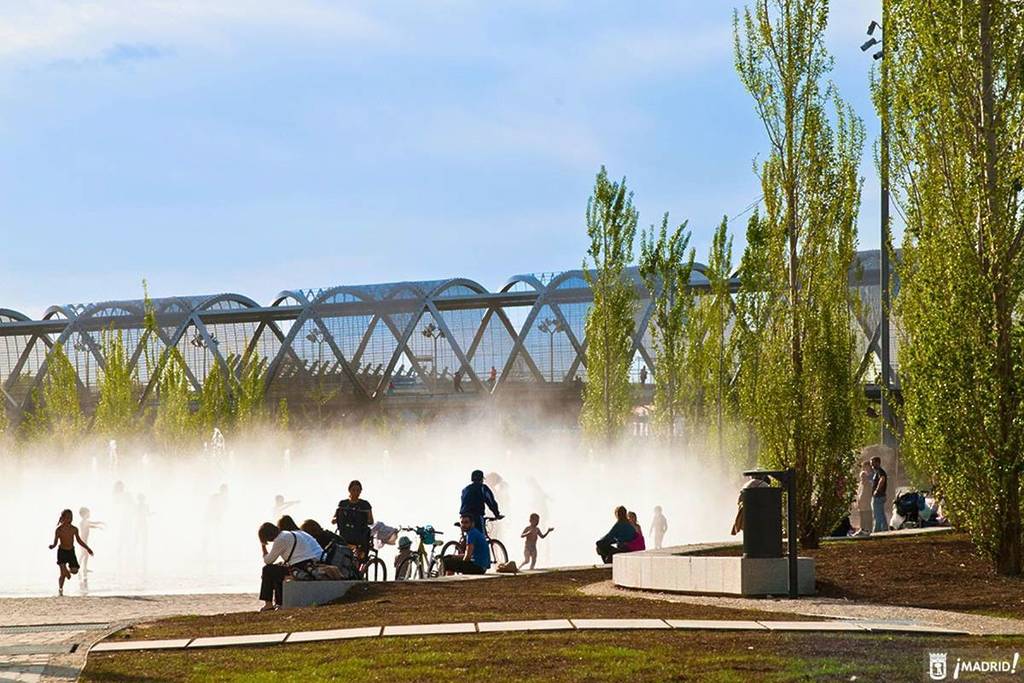
The initial results have identified 66 species of birds and 13 species of bats in Madrid Río, including goldfinches, swifts, magpies, and Nathusius’s bats. In Valdebebas, the numbers total 103 species of birds and 23 species of bats.
These devices do not record or store sounds. Artificial intelligence analyzes the signals instantly, identifies the species, and discards the audio. It also collects information on the temperature, humidity, and time of each detection.
The data is fed into a digital platform that allows researchers to study how biodiversity is evolving in both parks and helps plan for their conservation. This marks a new role for a space that, until relatively recently, was occupied by one of Madrid’s major highways.