
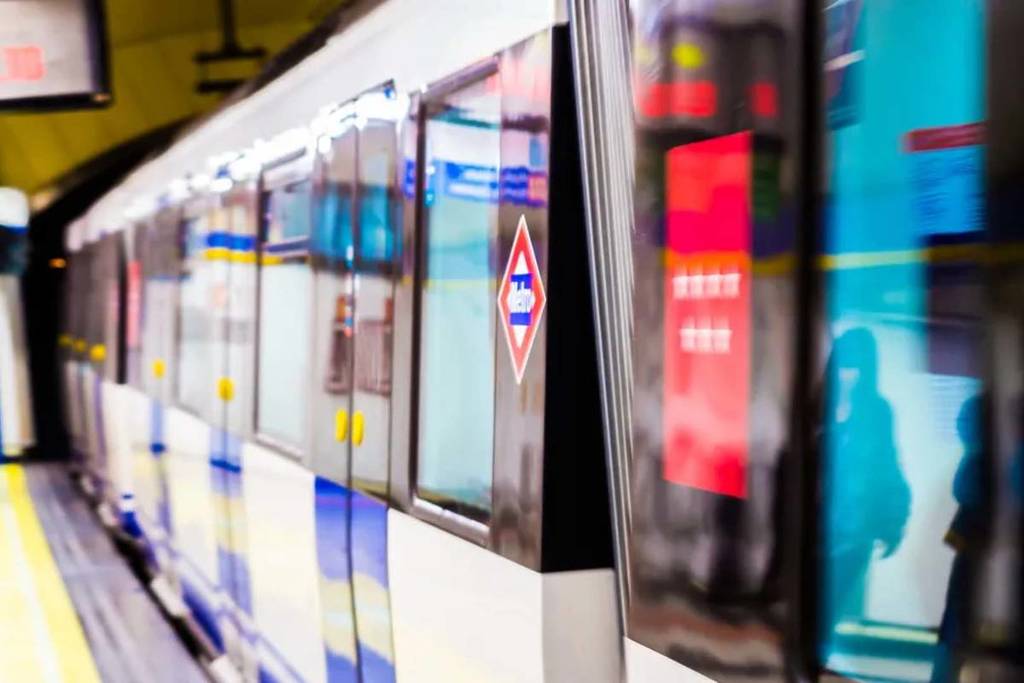

Work on Madrid Metro Line 6 is once again causing a minor setback to the schedule. The section between Avenida de América and Laguna will take four months longer than planned, extending until September 2026. The delay affects 14 stations along the southeastern arc of the Circular Line and adds to a project that has already been marked by service interruptions, nighttime work, and a very tight schedule.
The extension of the deadline does not change the budget, but it does prolong the sense of never-ending construction for thousands of users who rely on Line 6 daily. According to published information, work began on November 22, 2024, and was scheduled to be completed on May 21, 2026; now, the date has been pushed back to September due to actual on-site conditions.
The Community of Madrid attributes the delay to the prioritization of certain tasks during line closures, which reportedly left less room for other work that can only be done during nighttime maintenance shifts. Additionally, the overlap of crews and specialties is forcing the cancellation or rescheduling of one in five work orders, a bottleneck that is slowing the progress of the project.
A project with many fronts
Line 6 is not being renovated in a single phase, but rather through a series of stages that combine extended closures, night work, and operational adjustments. This strategy has allowed some sections to reopen ahead of schedule, but it has also demonstrated how complicated it is to coordinate all the components of such a heavily used line.
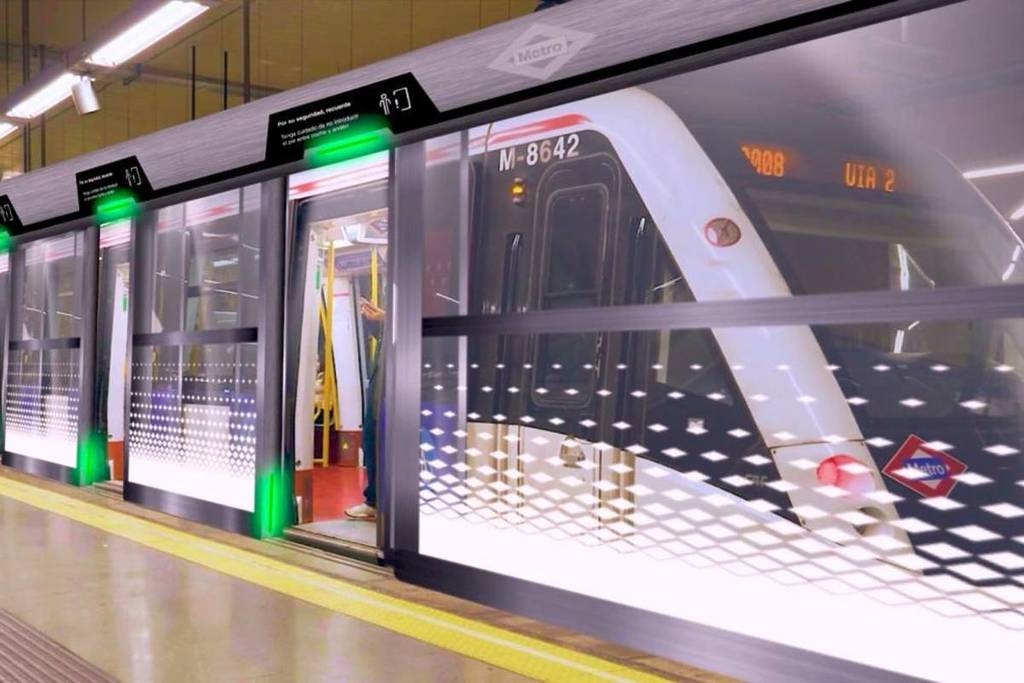
The project’s overall budget is around 800 million euros and includes 40 new trains, more than 3,500 pillars for the automatic doors, and a complete renovation of the platform. On paper, the modernization promises a safer, more efficient, and more accessible line; in practice, users continue to face a construction schedule that changes, is adjusted, and drags on longer than expected.
Barring any further last-minute changes, September 2026 will be the new target date for completing work on that section of the southeastern arc. What remains will be the most visible phase of the project: the gradual arrival of the new trains and the transition to an automated L6, which will begin testing in 2027.