

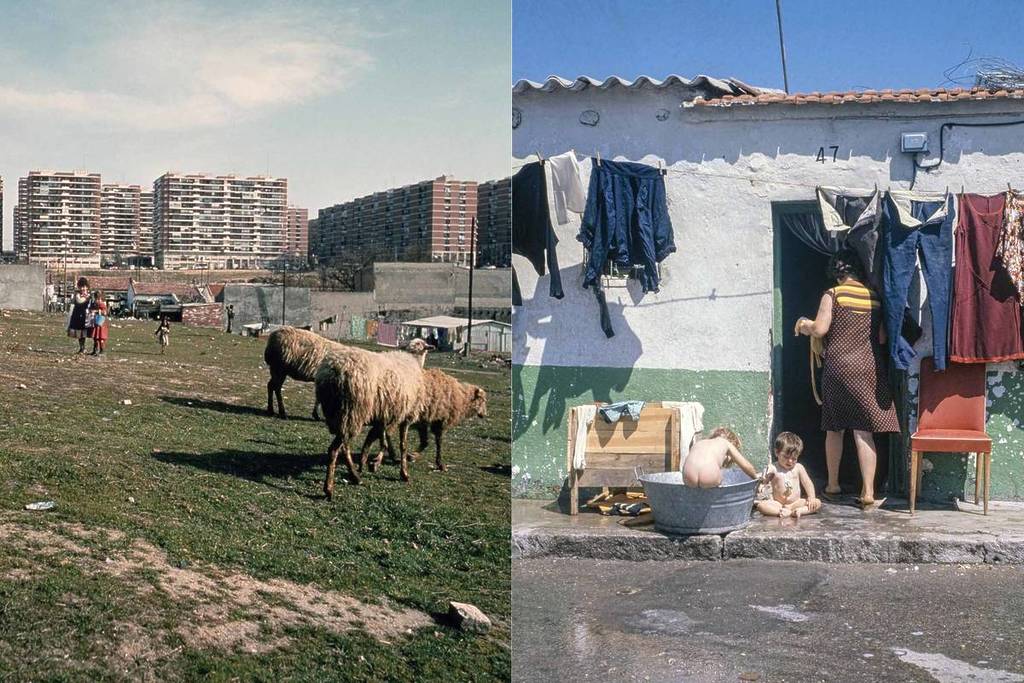
Although there are fewer and fewer people who remember it, there was a time when in the district of Fuencarral-El Pardo you could see sheep walking around or that in Vallecas it was common to live in low houses. Those who remember it very well are the photographers Manuel Durán Blázquez and Juan Miguel Sánchez Vigil, who portrayed that city in the transformation of the 1970s and whose snapshots are shown in the free exhibition Madrid. Visual Memory of the Transition (1976-1979).
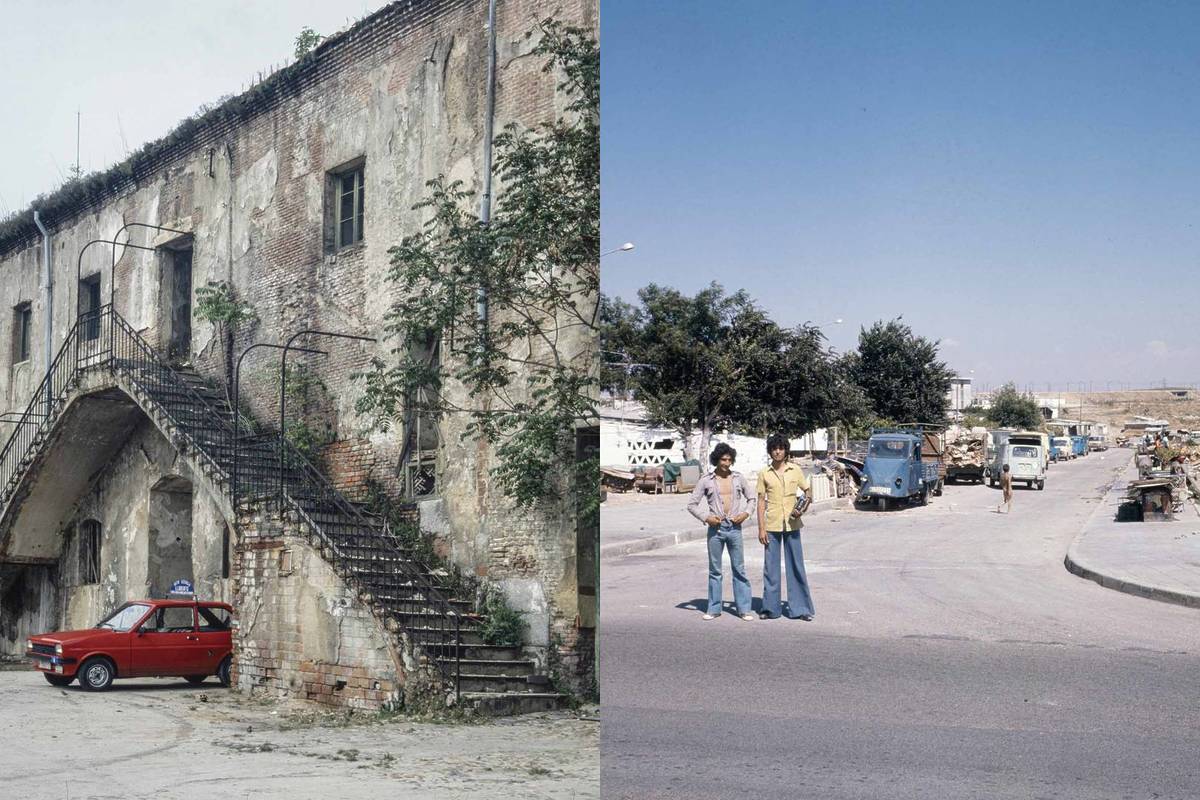
The exhibition, which is installed at Paseo Fernán Núñez in El Retiro and can be visited until February 16, 2026, brings together a selection of 48 large-format color photographs that portray streets and neighborhoods of fourteen of Madrid’s twenty-one districts during those decisive years.
The images come from the “extensive archive generated for the MADRID collectible in fascicles, published by Espasa Calpe from 1978 under the slogan “the most complete work of the whole city”,” explained the Manuel Fernández ‘Lito’ Foundation, organizer of the exhibition.
Blázquez and Vigil were two of the photographers entrusted with the graphic part of the work, whose fascicles could be purchased weekly at newsstands: each one of them, today converted into archives of great documentary value, combined texts by renowned historians and scholars with the aforementioned photographic report.
Guided visits to the Transition exhibition in Madrid
For those who are particularly interested in learning more about the city at that time, guided tours will be organized by the authors of the photographs themselves. To get a place it is necessary to send an email to fundacionlito@fundacionlito.es or a WhatsApp message to 638 418 245.
The organization encourages citizens to take this tour “through a city that was moving towards democracy from a reality still very marked by the shortcomings and wounds of the dictatorship” and to ask themselves what city we have built since those years of change.