
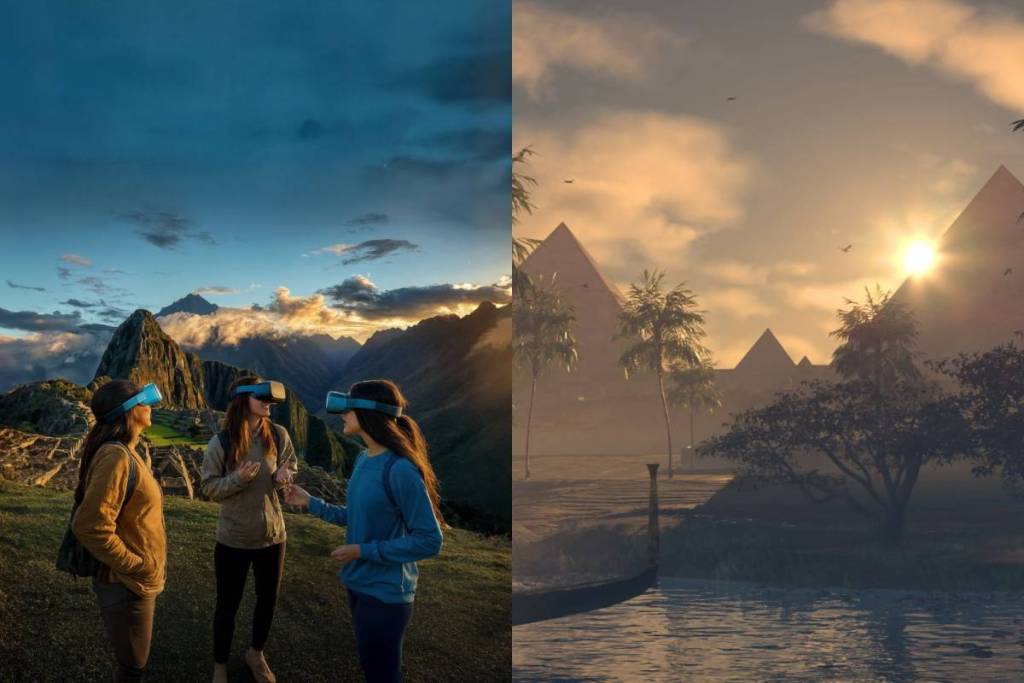

Movies like *Back to the Future* and *The Visitors*, or TV series like *Doctor Who* and *El Ministerio del Tiempo*, play with that possibility—that fantasy—of being able to travel to past or future eras. Of leaping between historical landmarks and visiting lost civilizations. There’s a place in Madrid that puts all available technology at the “traveler’s” disposal, so we can do just that with a pair of virtual reality goggles. It’s called the Fever Immersive Center, located near Nuevos Ministerios (accessible via the street between Orense 3 and Orense 5).
Currently, at this immersive experience center, we can choose from three incredible expeditions: travel to the Inca city of Machu Picchu with “Machu Picchu: Journey to the Lost City, ” find ourselves in ancient Egypt by choosing “The Horizon of Cheops,” or explore the far reaches of the cosmos with “Smithsonian Among the Stars.” Which one will you choose?
The Horizon of Cheops
22 October 2026 12:20 + more dates
Created by expert Egyptologists and endorsed by Harvard, *The Horizon of Khufu* is designed as a “free-roaming” experience—that is, one that allows for free movement. Peter Der Manuelian is the content supervisor. He is also the director of the Giza Project (the initiative responsible for managing the largest digital archive on Giza in existence today). This archive was instrumental in the creation and documentation of the VR experience we can enjoy today in Madrid.
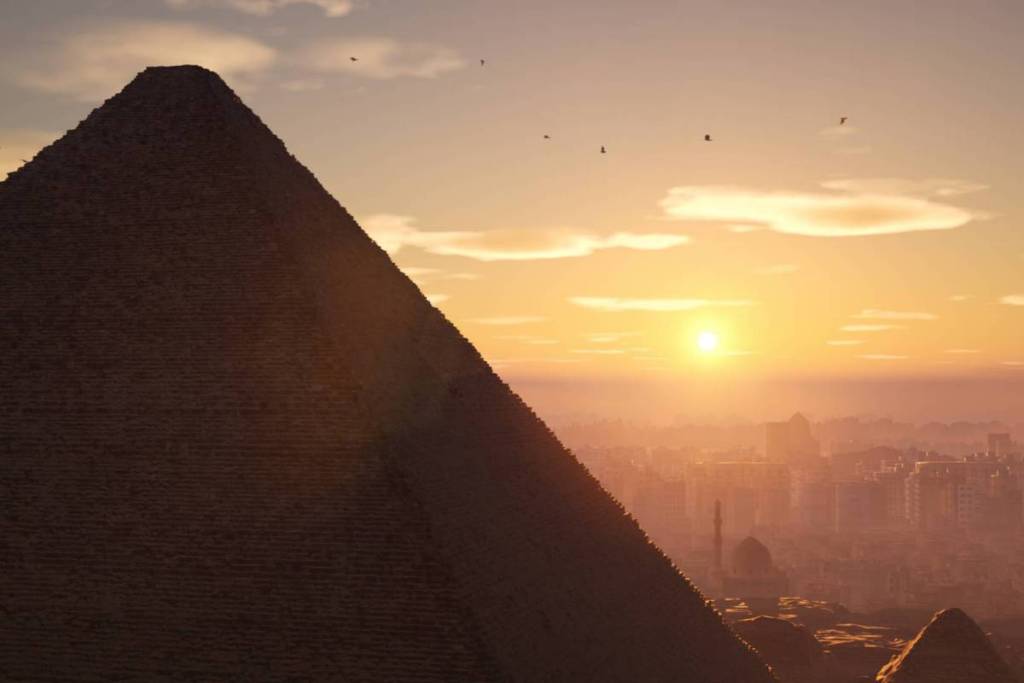
And what happens when we put on the headset? We step onto the Giza Plateau to uncover all its secrets, starting with the imposing Great Pyramid and continuing through passageways and galleries that aren’t accessible in real life. There’s no shortage of recognizable landmarks like the Great Sphinx or the Nile. We’ll also witness rituals such as the embalming and funeral of Khufu.
Machu Picchu: A Journey to the Lost City
22 October 2026 16:20 + more dates
What was daily life like in Machu Picchu? Why did the Incas abandon this city 450 years ago? What mysteries does this remote corner of Peru hide? This “ ” is a quasi-cinematic experience, in which we’ll be guided by a small robot through temples, natural terraces, and eclipses.
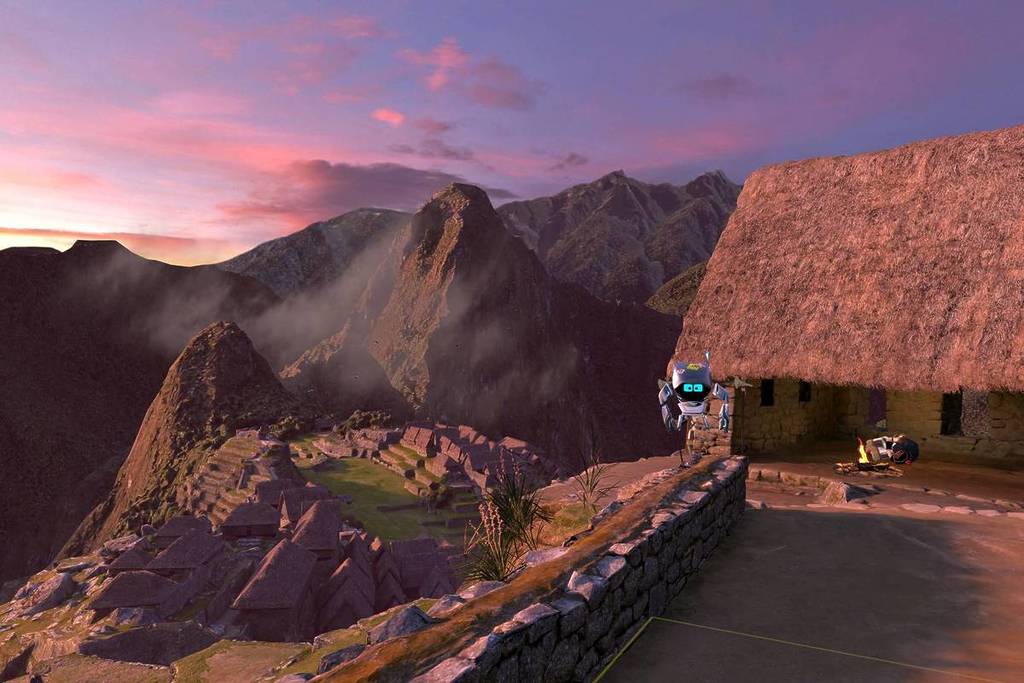
This virtual reality project was conceived during the pandemic, when a team was given access to create a comprehensive map of the site using drones, LiDAR (laser technology for measuring distances down to the millimeter), photogrammetry, and consultation with Inca historians. More than 50 engineers worked on the project.
The result is a total immersion, with panoramic views of the Sacred Valley, insights into the legacy of Machu Picchu, its architecture, the way of life of the Incas in this place, their beliefs, and symbols…
Smithsonian Among the Stars
22 October 2026 16:00 + more dates
Fever Immersive Center en Madrid
Developed in close collaboration with the Smithsonian Astrophysical Observatory (SAO), this experience transforms complex astronomical data and images from the SAO, NASA, and the European Space Agency (ESA) into a breathtaking journey through space that you can navigate with complete freedom. It combines absolute scientific rigor with an immersive narrative to turn the mysteries of deep space into a navigable three-dimensional environment.

And what happens when we put on the goggles? The adventure begins at the summit of Mount Hopkins. From there, you’ll set off into space aboard telescopes like the Hubble or the James Webb. You’ll be able to stop by the Sun, explore Janssen ( the “diamond planet”), witness the death of the supergiant star Betelgeuse in a spectacular supernova, and peer into Sagittarius A*, the supermassive black hole at the center of the Milky Way.