
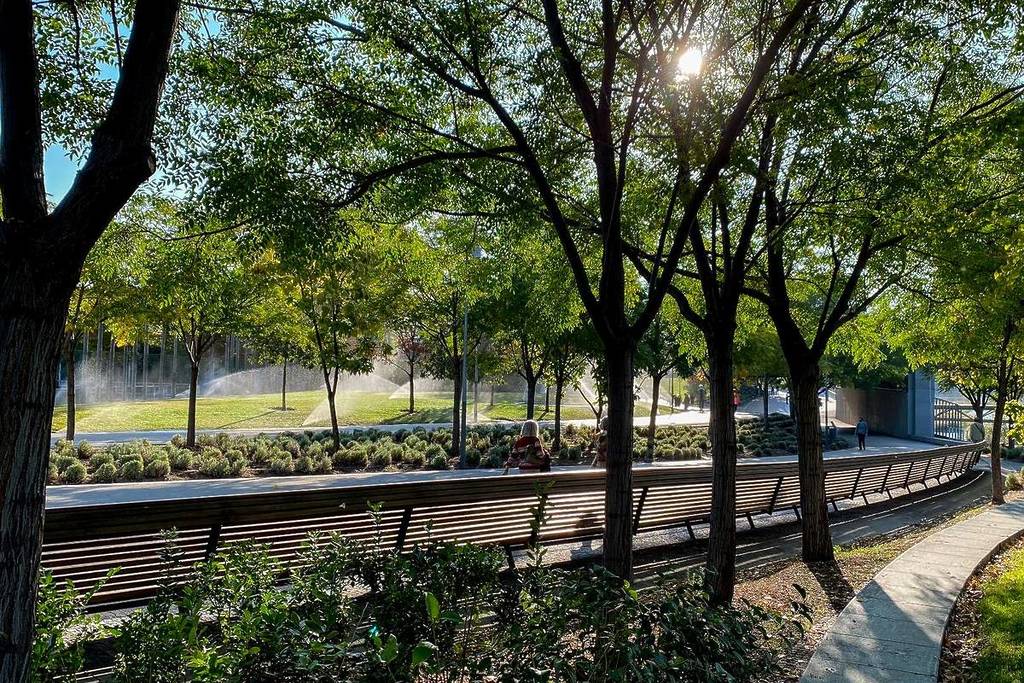

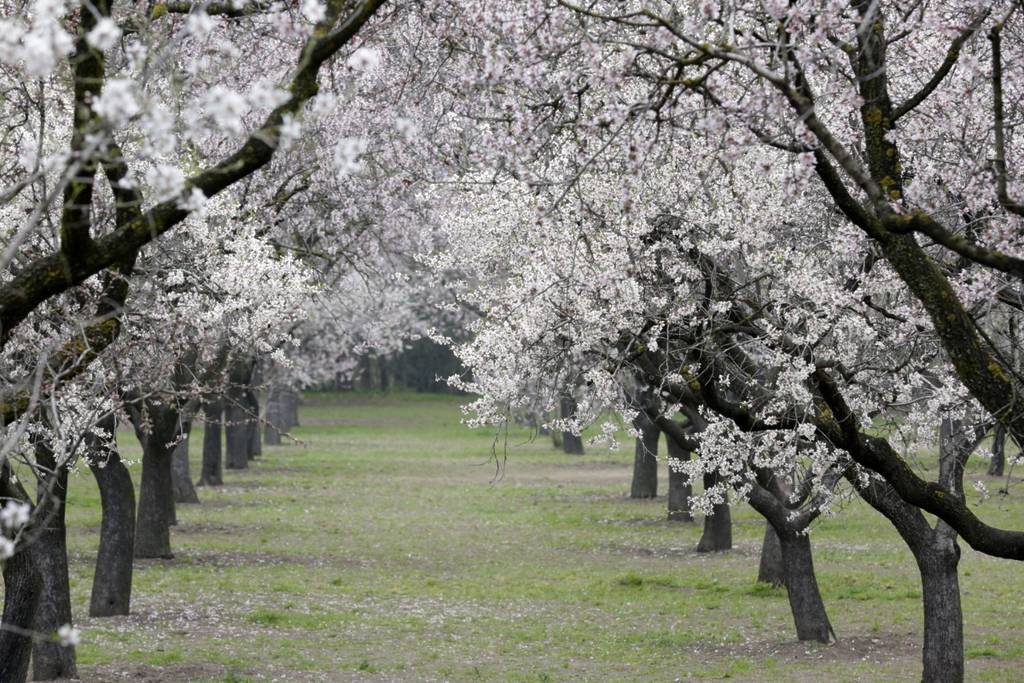
More hours of daylight, warmer temperatures, and trees in bloom, which also means saying goodbye to an hour of sleep. In the early hours of Sunday, March 29, Madrid will switch to daylight saving time and clocks will jump directly from 2:00 a.m. to 3:00 a.m. That day will officially have 23 hours, but in exchange, the afternoons will suddenly get longer in the capital, with the sun setting approximately an hour later, from around 7:30 p.m. to closer to 8:30 p.m., just when spring is beginning to make itself felt in the streets and terraces are once again the favorite pastime of Madrid’s residents.
The time change is back, and so is the debate.
The change follows the European rule of always making the transition on the last Sunday in March, so that the whole of Spain (the peninsula and the Balearic Islands) will go from UTC+1 to UTC+2 at the same time, while the Canary Islands will go from UTC+0 to UTC+1 (there the jump will be from 1:00 a.m. to 2:00 a.m.).
The original idea behind this system, implemented decades ago, was to adjust schedules to daylight hours in order to save energy and synchronize work rhythms with the sun, although today the actual savings are under discussion and the debate has shifted to the effects on health and sleep. What is certain is that, starting this Sunday, Madrid will have more afternoon sunshine for walks and outdoor sports, and that the body will need a few days to get used to waking up an hour earlier on weekdays.