

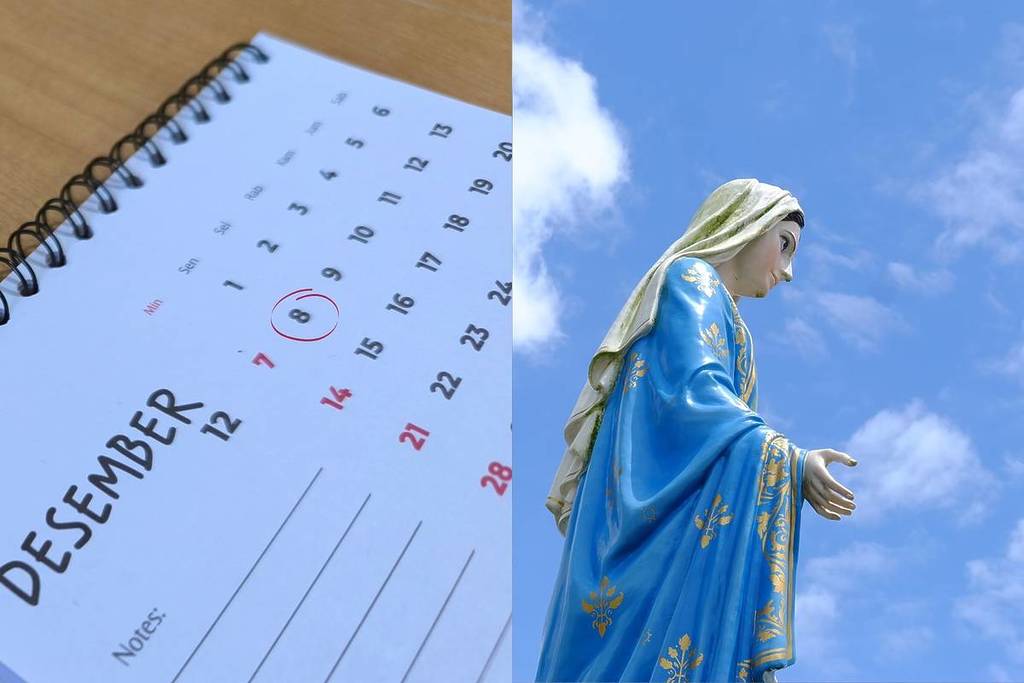
The year is coming to an end and so are the working days off in Madrid. After the holiday Monday for the Almudena on November 10, the month of December will bring again a Monday without work for companies, public administrations and schools.
This is the famous December long weekend or Constitution long weekend, which brings together in the same week two national celebrations: December 6 is the Constitution Day and December 8, the Immaculate Conception.
On this occasion, Constitution Day falls on a Saturday, so there will be no extra rest during the week. The protagonist will be Monday the 8th, which will allow to extend the weekend and make a small advance of the Christmas holidays.
Christmas spirit and many visitors
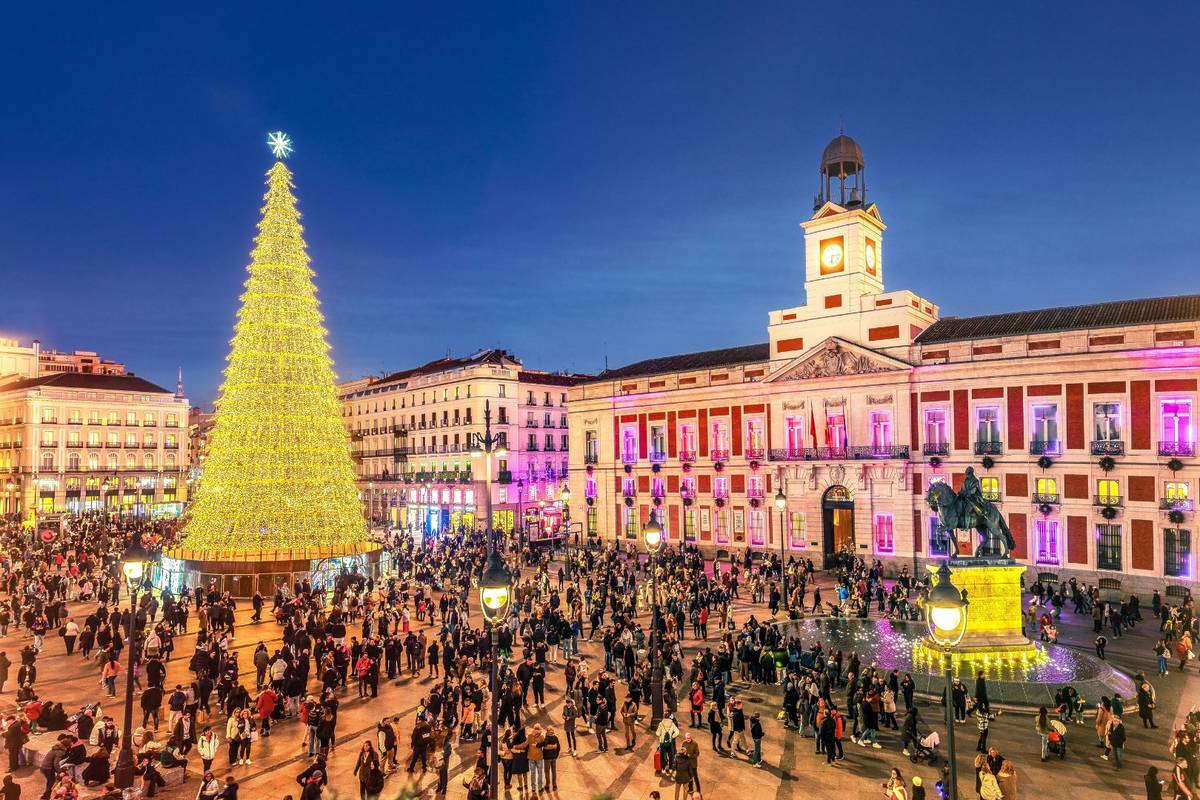
Both holidays are celebrated nationwide, which means the arrival of many tourists and visitors to Madrid. For many, it is the perfect occasion to visit the Christmas markets, see the Christmas lights or skate on one of the ice rinks in the city.
In fact, due to the large influx of people in the center, the Madrid City Council usually closes the Sol station to avoid crowds. This year the measures have not yet been announced, but it is quite likely that the same line of previous years will be followed.
Days to commemorate
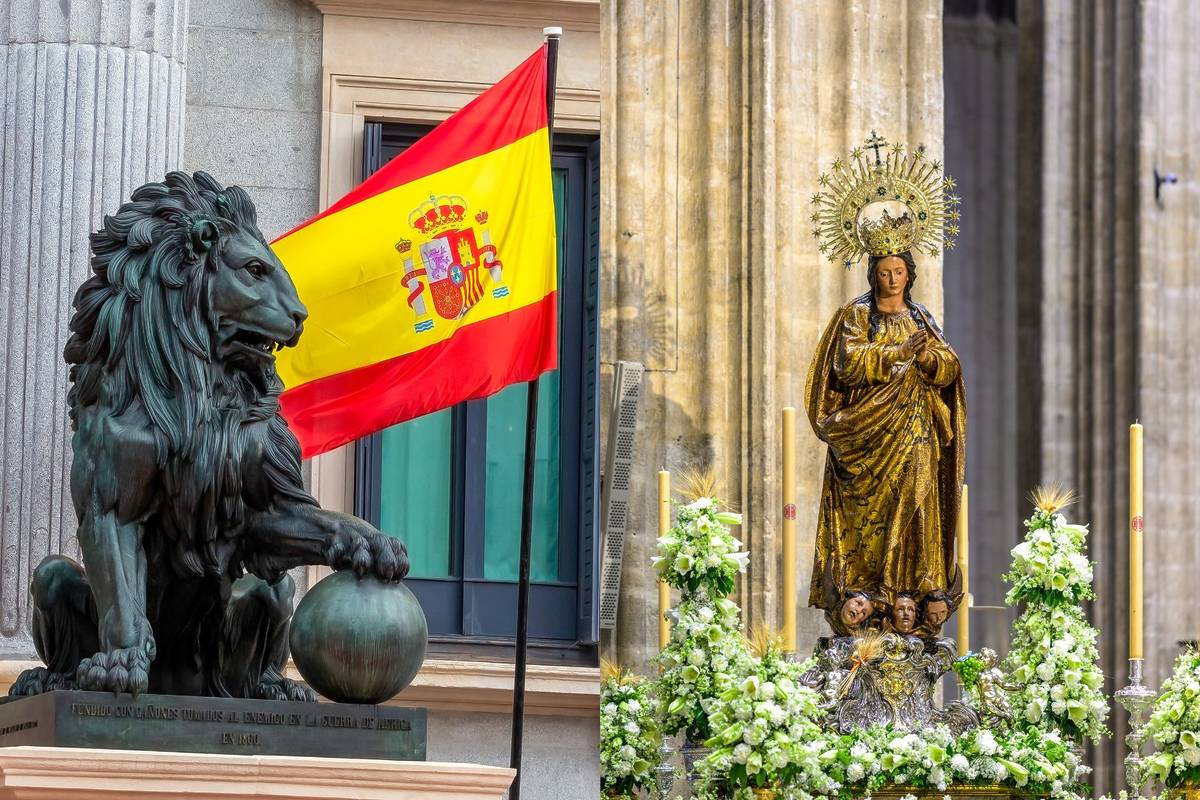
The first holiday, December 6, commemorates the approval of the Spanish Constitution of 1978, a milestone that marked the beginning of the country’s democratic stage. Although on this occasion it is celebrated on a Saturday and does not allow to enjoy the expected long weekend, it is a day to remember the values of freedom, equality and citizen participation.
In the case of December 8, the day of the Immaculate Conception is more linked to the religious aspect and in many cities processions of the virgin are held to commemorate it. Its origin dates back to 1585, when the Spanish army managed to defeat the Dutch army during the 80 Years’ War.
The so-called “miracle of Empel” tells how one of the soldiers found a board with the image of the Immaculate Conception and, thanks to divine intercession, the troops managed to walk on the frozen waters and defeat the Dutch squadron.
From dogma to festivity
The Vatican did not recognize the feast until 1854, when Pope Pius IX declared the dogma of the Immaculate Conception of the Virgin Mary. This belief does not refer to the virginity of Mary to conceive the child Jesus, but to the fact that, since her birth, the Virgin was free of original sin.
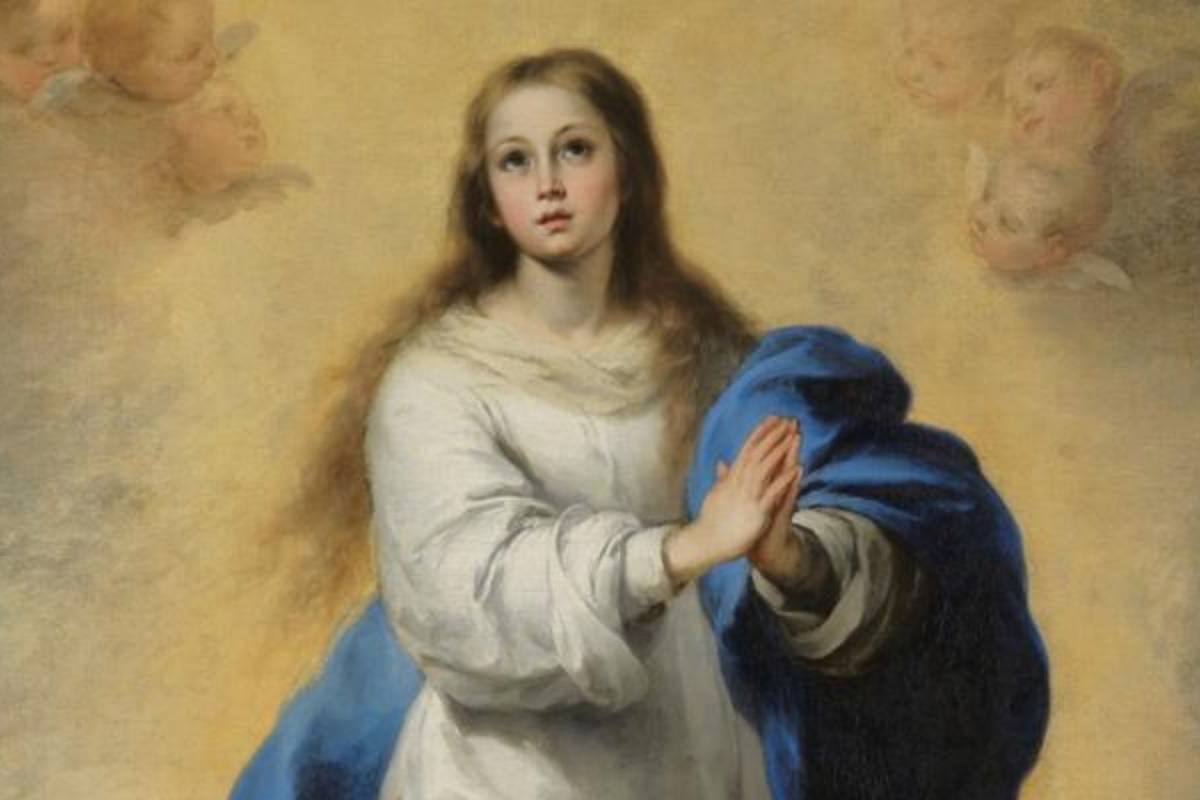
Since then, the image of the Immaculate Conception is very present in our culture and its iconography is easily recognizable. Famous painters such as Murillo have depicted Mary dressed in white and blue, colors associated with purity and heaven. She is usually standing on a crescent moon, with a snake under her feet and surrounded by clouds, angels and light, showing her celestial character.
Now, the story of the Immaculate Conception translates into a holiday Monday, the next one that the people of Madrid will be able to enjoy this year. It will allow a small respite from work and a preview of the future Christmas vacations.