


Madrid’ s new garbage tax is already generating controversy and thousands of taxpayers are beginning to explore the possibility of appealing it. Since this month, property owners have started to receive notification of the mandatory payment of the Waste Management Tax (TGR), applied by the City Council as part of compliance with Law 7/2022 on waste and contaminated soils for a circular economy. The measure obliges all municipalities with more than 5,000 inhabitants to charge a fee that reflects the real cost of the waste collection and treatment service.
The average amount paid by Madrid residents is around 140 euros per year, although it varies according to the cadastral value of each home and the amount of waste generated in their neighborhood. The formula combines a fixed part, based on the value of the property, and a variable part, calculated according to the level of recycling and waste production in each area. For example, neighborhoods such as Moratalaz, with better waste separation rates, pay less, while more central districts, such as Sol or Chamberí, pay higher rates.
Payment is made through the water bill and owners have two months from the notification to pay it. From 2026, the rate may be paid by direct debit and in installments like the IBI, but this first year it must be paid in one payment. The Madrid Tax Agency reminds that it is essential to pay the amount first before filing any claim, since only the payments made can be subject to administrative appeal or request for refund.
How to claim the Waste Management Fee
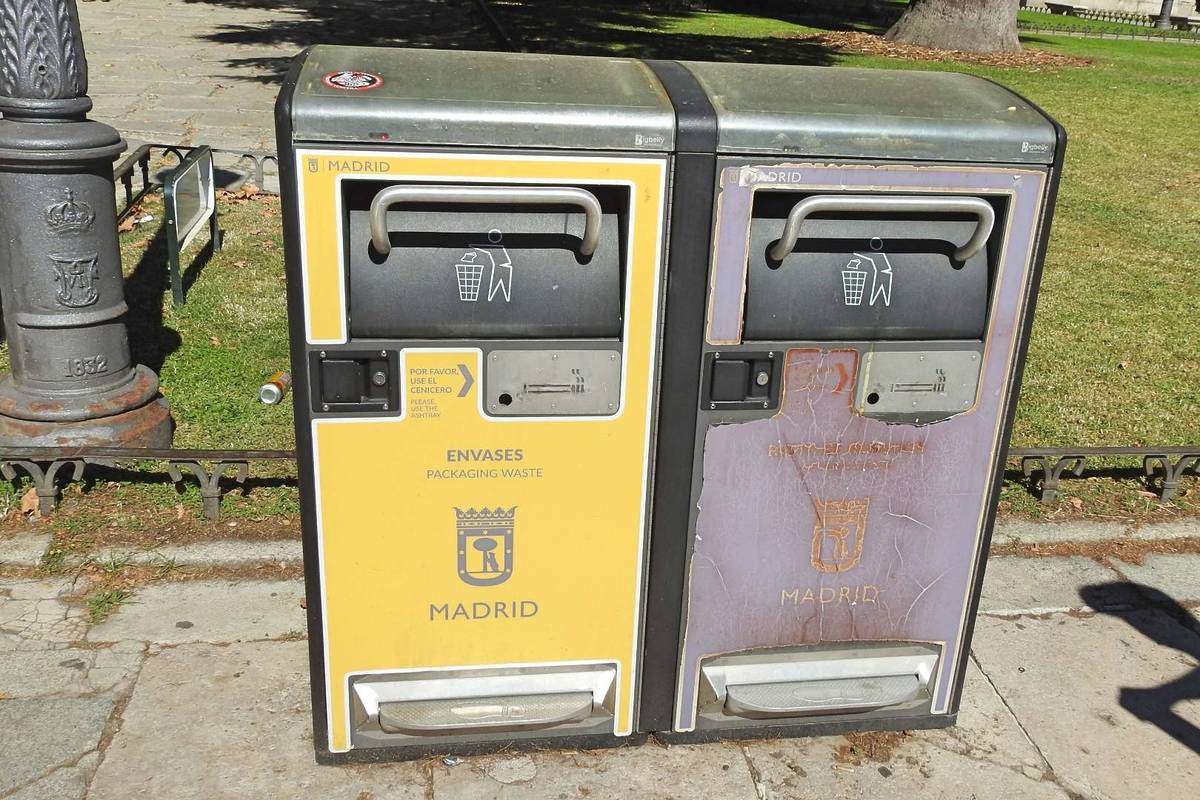
In the face of neighborhood complaints and the lack of progressiveness of the model, the municipal group Más Madrid has created a free form to appeal the fee. Available on its website (masmadrid.org), the tool allows taxpayers to file an economic-administrative claim before the Municipal Court without the need for a lawyer. The form generates an automatic written allegation that, together with the proof of payment, can be presented at the municipal registry or through the electronic headquarters of the City Council.
The spokesman of the formation, Eduardo Rubiño, has described the new rate as “an unfair and poorly designed botched job” and encourages the people of Madrid to claim, recalling that “the City Council could have created a progressive model that rewards recycling instead of penalizing everyone equally”. Claims may be filed during the voluntary payment period and up to one month after payment, a period set by municipal regulations for refund actions.
For its part, the City Council defends that the tax complies with state and European regulations, recalling that “it is a necessary step to adapt Madrid to the EU environmental requirements” and to guarantee that whoever generates more waste will pay more. However, the Organization of Consumers and Users (OCU) considers that the system is unbalanced because it does not fairly reflect the actual production of waste in each property and because there is no clear incentive for those who separate waste correctly.