
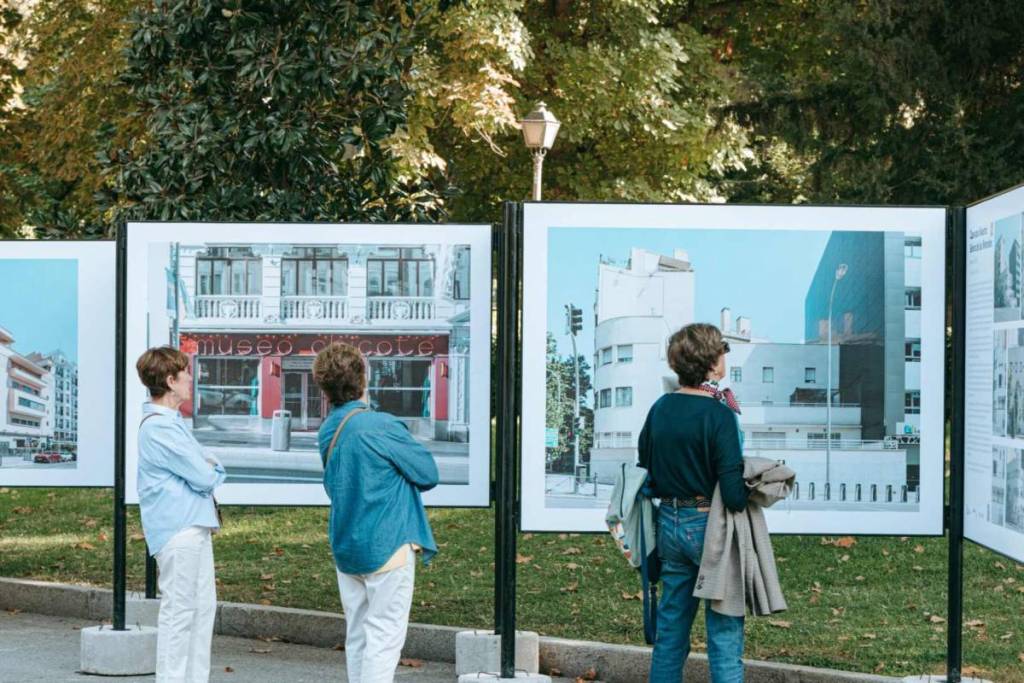

Madrid is once again opening doors that normally remain closed. From this Friday, October 2, through October 13, the 23rd International Architecture Week transforms the city into a grand cultural itinerary featuring tours of more than 70 buildings and over 45 guided urban walking tours, as well as exhibitions, lectures, workshops, and activities for all ages. It’s an opportunity to explore historic institutions, palaces, cultural spaces, and contemporary buildings that aren’t usually part of everyday tours.
Organized by the COAM Architecture Foundation and the Official College of Architects of Madrid, in collaboration with the City Council and the Community of Madrid, this year’s event celebrates Switzerland as the guest country. The program features around 370 events and aims to bring architecture, urban planning, and heritage closer to the public—not only as technical disciplines, but as an integral part of the places we inhabit, pass through, and recognize every day.
The Senate, the Bank of Spain, and other rarely seen interiors
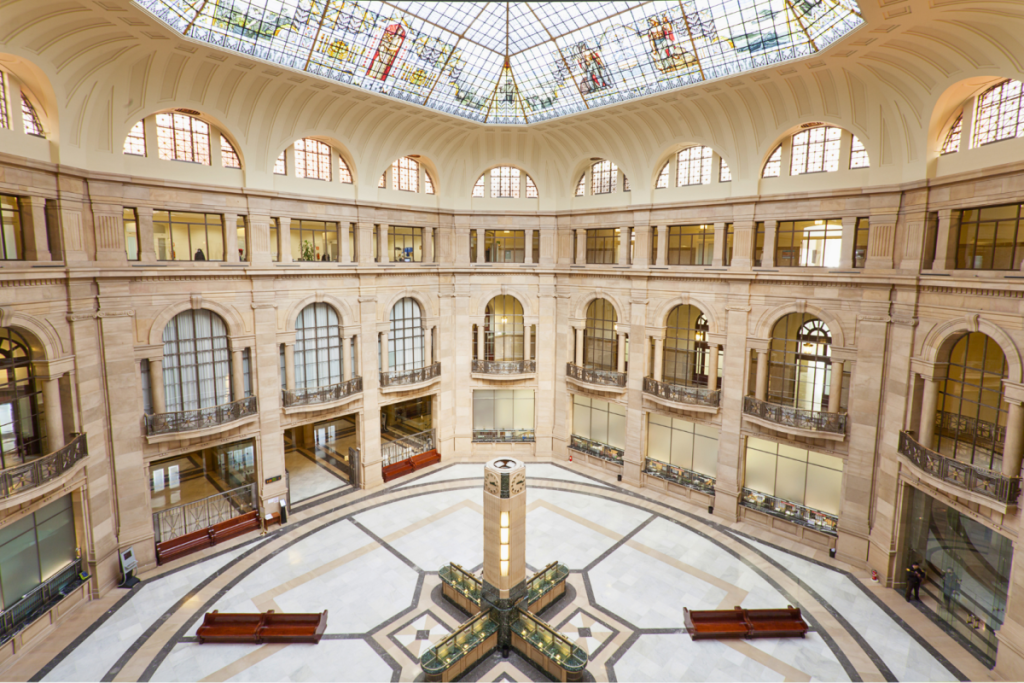
The main attraction of Architecture Week is its free guided tours of unique buildings in Madrid. The program offers an inside look at some of the city’s great institutional landmarks, such as the Senate, the Bank of Spain, the Royal Spanish Academy, the Court of Auditors, the Spanish Cultural Heritage Institute, and the Zarzuela Racetrack. It also includes cultural and architectural sites of great interest, such as the Reina Sofía Museum, the Casa de la Arquitectura, the Giner de los Ríos Foundation, the Residencia de Estudiantes, CaixaForum Madrid, and the BBVA City.
Among the sites open to visitors are the Buenavista Palace, headquarters of the Army General Staff; the Cerralbo Museum; the Royal Academy of Fine Arts of San Fernando; the Goyeneche Palace; the Circle of Fine Arts; the Italian Embassy; the Zurbano Palace; the Hexagons Pavilion; and the Francisco Umbral Library. The range is so broad that it allows visitors to explore different eras of the city’s history: from palatial and monumental architecture to cultural facilities, contemporary offices, and the most recent urban developments.
The 2026 edition increases the number of participating buildings by 25% compared to the previous year, reaching a total of 75 venues. Notable new additions include the Casa de la Monta in Aranjuez, the French Lycée Library, and the historic Renfe headquarters—three venues that complement a program designed to help visitors see Madrid through a new lens.
How to sign up for the tours
Most of the activities are free, but building tours and walking tours have limited capacity and require advance reservations. In many cases, the capacity is around 25 people, so the most popular activities—such as those at the Senate, the Bank of Spain, or Renfe’s historic headquarters—can sell out quickly.
The organizers have also set a limit of two registrations per person for guided tours and itineraries combined—a measure designed to expand access to as many participants as possible. It’s advisable to check the specific conditions for each activity before booking, as some buildings require identification, designate specific meeting points, or have their own access rules.