
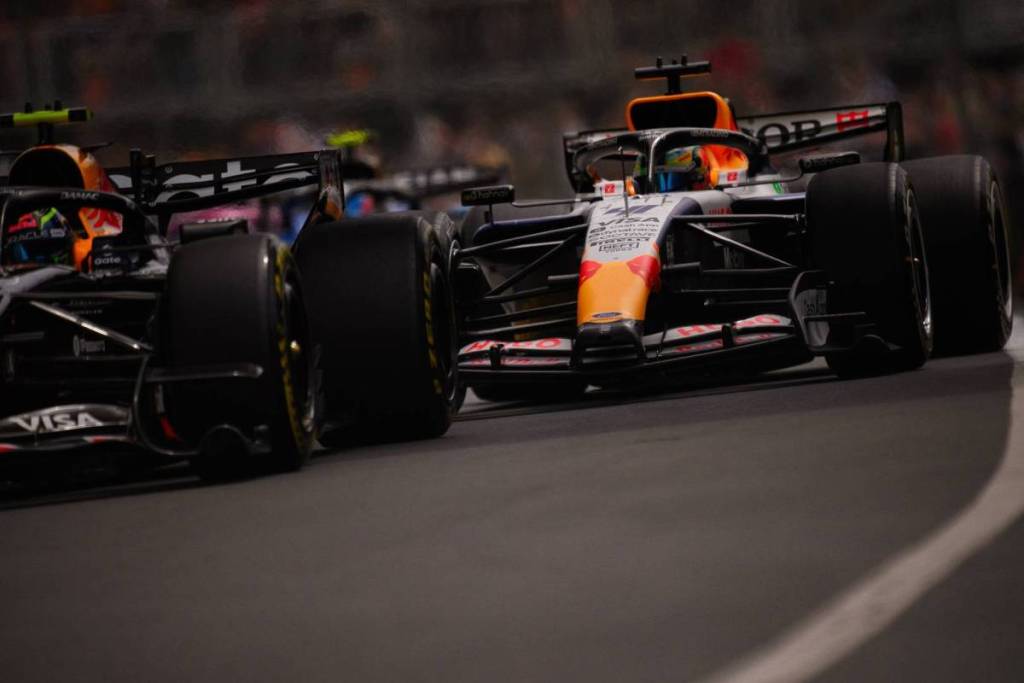

It has been more than forty years since a single-seater last raced in Madrid. That distant 1981 at the Jarama Circuit now gives way to a project that places the capital at the global epicenter of motorsports: Madring Circuit. From September 11 to 13, the world’s best drivers will gather in Madrid to take on this new track. However, the emergence of this new venue has raised many questions among fans about the future of Montmeló and whether the classic Catalan circuit will remain in the championship.
Spain scores a double on the 2026 calendar
To the relief of the most die-hard fans, Madrid’s arrival has not meant Catalonia’s immediate exit. In fact, this year—and for the first time since 2012—Spain has hosted two Formula 1® races. Last June, the Montmeló circuit hosted its traditional race, confirming that both tracks will coexist for the time being.
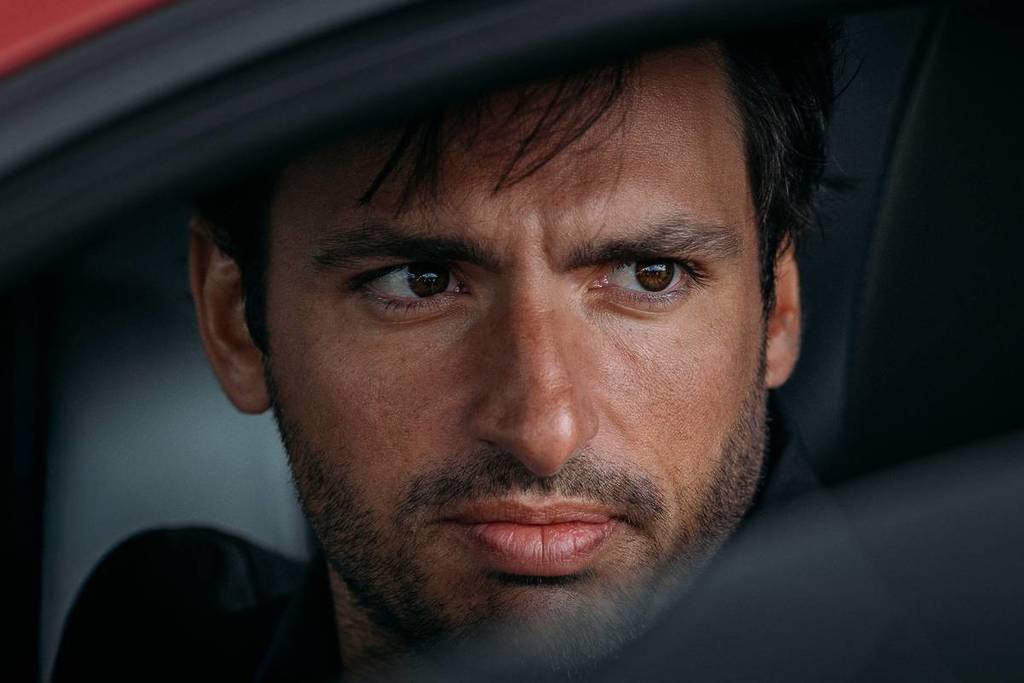
Now, it’s the capital’s turn. The 2026 Spanish Grand Prix arrives in September to cap off the championship’s European leg, bringing together on the grid stars such as Max Verstappen, Charles Leclerc, Lando Norris, Fernando Alonso, and Carlos Sainz, who will race at home supported by his own grandstand.
What will happen to Montmeló from now on?
The big question hanging over the paddock ever since the Madrid agreement (in effect through 2035) was announced was whether the Barcelona track would disappear from the calendar for good. The solution reached is a rotation model—an increasingly common option, but one unprecedented in the recent history of motorsports in our country.
Although the Catalan race will no longer be held every year (something it has been doing since 1991), the Montmeló track has thus secured its place on the F1® calendar through 2032. Starting in 2026, the circuit will host the race only in even-numbered years (2028, 2030, and 2032). During the odd-numbered seasons (2027, 2029, and 2031), the championship will move to Belgium to race at the Spa-Francorchamps track.
Furthermore, as part of this new phase, Montmeló is ceding the national designation to Madrid and will officially be renamed the Barcelona-Catalunya Grand Prix.
Madring Circuit: banked turns, 320 km/h, and Michelin-starred cuisine
With Montmeló’s future now clear, all eyes are on the new Madring Circuit. Designed as a semi-urban circuit around IFEMA and part of Valdebebas, the track is 5.47 kilometers long, features 22 turns, two tunnels, and straights exceeding 800 meters where the cars will reach speeds of over 320 km/h.
The circuit’s greatest technical and visual attraction lies in La Monumental. It is a demanding semicircular turn with a 24% bank that stretches for 550 meters. As Carlos Sainz noted after the first tests on the Madrid asphalt, the change in elevation at the exit of this turn is so steep that “all you can see is the sky, ” living up to the legendary phrase “from Madrid to the sky.”
But the experience of the 2026 Spanish Grand Prix goes beyond the purely sporting aspect. At the top of La Monumental, there will be a VIP area called La Azotea, where a lineup of nine Michelin-starred chefs (including names such as Mario Sandoval and Jordi Roca) will offer a world-class culinary experience, complementing the various fan zones and entertainment areas set up for the event.
To ensure everything runs smoothly, the circuit will be put to the test under real race conditions on August 24 and 25 with an official F3 session. It will be the final test before Madrid once again gets excited, 45 years later, about the premier class of motorsports.