
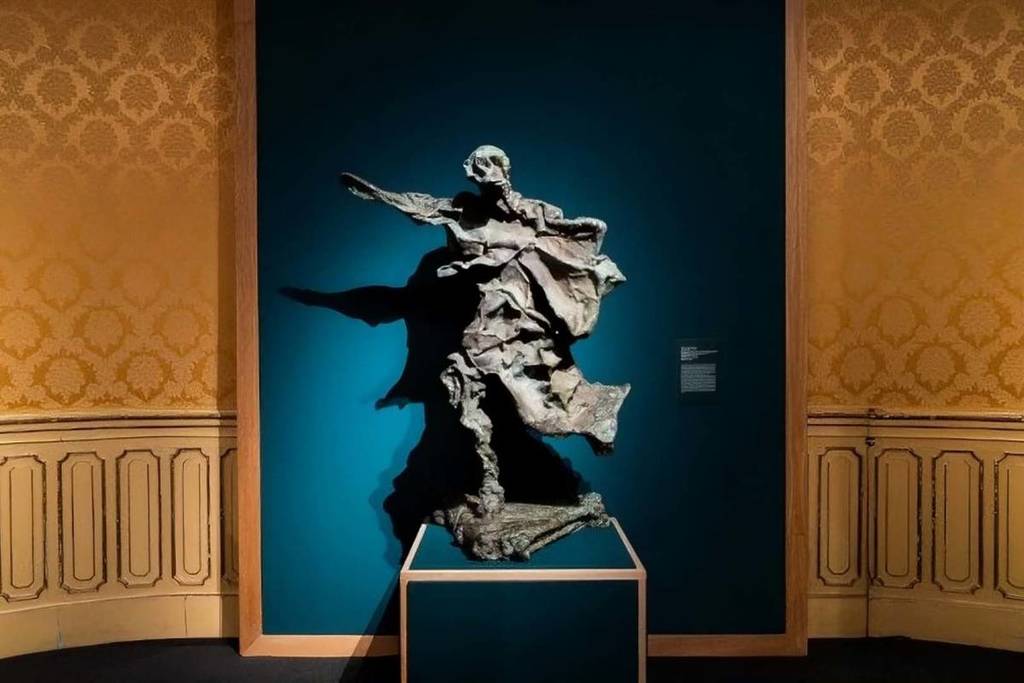

Madrid adds a new treasure to its art scene… and it was, in a way, hidden in plain sight. The historic Palacio de Gaviria, just a stone’s throw from Puerta del Sol, has just reopened its doors following an extensive restoration with “Dalí Infinito,” a permanent exhibition that brings to light some of the latest and least-seen sculptural works by the genius from Figueres. These works, which for decades have remained in private collections, are now, for the first time in Spain, on permanent display in an exhibition that is surprising experts.
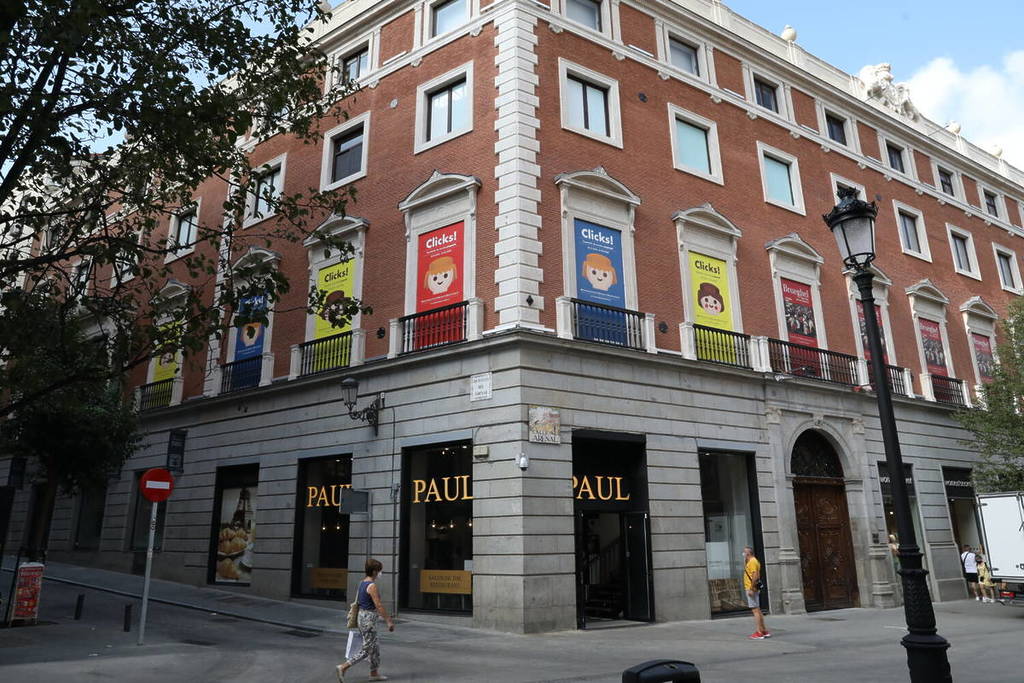
The Palacio de Gaviria, a 19th-century mansion on Calle Arenal that many Madrileños remember as a nightclub and others as a venue for large-scale temporary exhibitions, had been largely dormant for years. The closure due to the pandemic revealed the poor condition of its roofs and necessitated a thorough restoration of the ceilings, halls, and decorative elements, which now shine once again with stucco, moldings, frescoes, and its monumental central staircase.
For this new phase, the building has played a single, but very strong, card: a “hidden” Dalí—the one behind the sculptures created starting in the 1970s and linked to the so-called Clot/Quirós Collection, a body of work that for years existed in a sort of limbo regarding attribution and visibility. Following an agreement and a thorough review by the Gala-Salvador Dalí Foundation, which on March 10 announced the recognition and formalization of 14 of these sculptures, the pieces have emerged from the shadows to take up permanent residence in Madrid.
A late, experimental, and three-dimensional Dalí
Dalí infinito brings together 14 large-scale sculptures, accompanied by preparatory drawings, graphic works, and illustrations that trace the artist’s career from the 1930s to the 1980s, with a special focus on the period from 1973 to 1980, when the painter devoted himself to developing a highly personal three-dimensional language.
Among the pieces, highlights include works such as Cosmic Elephant, Nude Woman Climbing a Staircase, Laughing Horse’s Head, Christ of San Juan de la Cruz, Housekeeper, and Soul of Don Quixote— monumental sculptures laden with references to faith, science, literature, and mythology, in which Dalí’s signature codes are recognizable: extremely long legs, melting bodies, reinterpreted religious symbols, and nods to Spanish tradition.
The exhibition offers an opportunity to discover part of Dalí’s late work, which had previously been seen only in very specific contexts or remained in private collections; never before has such a comprehensive and permanent exhibition of his work as a sculptor been organized in Spain. The exhibition is specifically designed to highlight the experimental and monumental nature of these works, placing them in dialogue with the palace’s ornate halls in an almost theatrical display that plays with light, shadow, and perspective.
The exhibition is open every day of the week from 10:00 a.m. to 8:00 p.m. (last admission at 7:00 p.m.) at Calle Arenal, 9, two minutes from Sol. General admission is 15 euros and reduced admission is 11 euros, with discounts available for certain groups.