

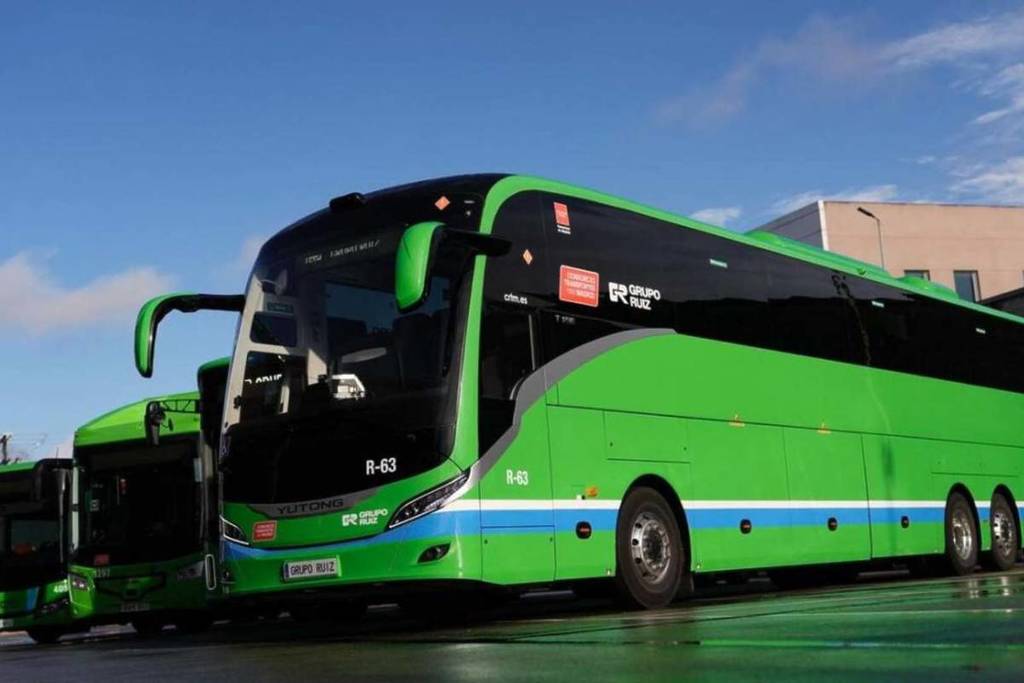
The Community of Madrid has brought order to the luggage that can be taken on Madrid’s intercity buses, and there is a key change for everyday life: backpacks can no longer be carried on the back, they must always be carried by hand. The Passenger Regulations have been updated to specify, for the first time, which items are allowed and under what conditions, with the aim of reducing bumps, trips, and discomfort in vehicles that are often full.
From now on, each passenger will only be allowed to board the intercity bus with a single piece of luggage, provided that it does not pose a risk or inconvenience to others. The regulation sets specific measures for the most common items:
- Bags, briefcases, or backpacks measuring up to 50 x 30 x 10 centimeters (not carried on the back, always in the hand).
- Shopping carts or wheeled backpacks.
- Small suitcases, maximum 55 x 40 x 20 centimeters.
- Children’s scooters, ride-on toys, and children’s bicycles without pedals.
- Musical instruments and sports equipment, always in their case.
In exceptional cases, the driver may accept other items if they are not dangerous or obstructive, but may also refuse entry if the bus is very full or there is no space for luggage.
Goodbye to backpacks
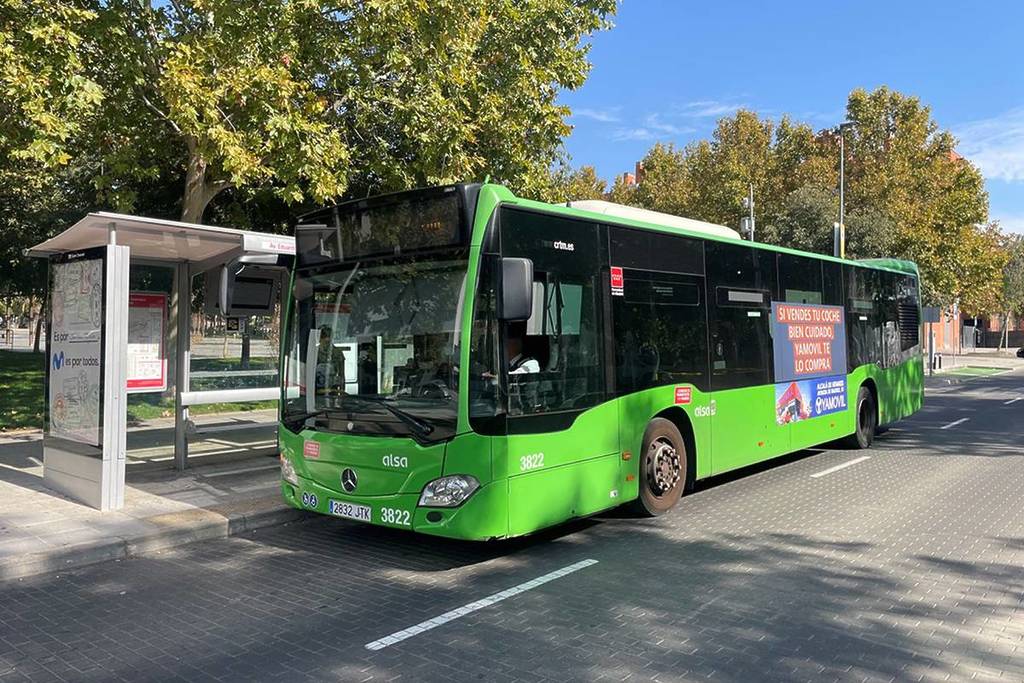 A bus will connect Alcobendas and San Sebastián de los Reyes. | Editorial credit: Shutterstock
The most visible change for users is the ban on carrying backpacks: they must be carried in the hand or placed on the floor between the legs, never hung up, to avoid pushing, blows to the face, or snagging in aisles and doors. The same applies to briefcases and other hand luggage, which must be placed so as not to block aisles or emergency exits.
Musical instruments must always be carried inside the bus, and only one large instrument per vehicle will be allowed, so as not to take up too much space. In all cases, objects must be securely fastened to prevent dangerous movement, noise, or damage during braking and maneuvering.
More power for the driver (and more responsibility for the passenger)
The update to the regulations also clarifies what the driver can do when luggage becomes a problem: if the intercity bus does not have a luggage compartment, if it is full, or if the luggage poses a risk or obstacle, the driver may refuse access or even ask the passenger to get off the bus, even if they have already validated their ticket. The decision will be made on a case-by-case basis, but always with safety as the main criterion.
At the same time, the user’s responsibility for their belongings is reinforced. Now each passenger will be solely responsible for their belongings and any damage they may cause to other people or to the vehicle. In practice, this means that if a poorly placed suitcase causes a fall or damages part of the vehicle, the cost may be claimed from its owner.