
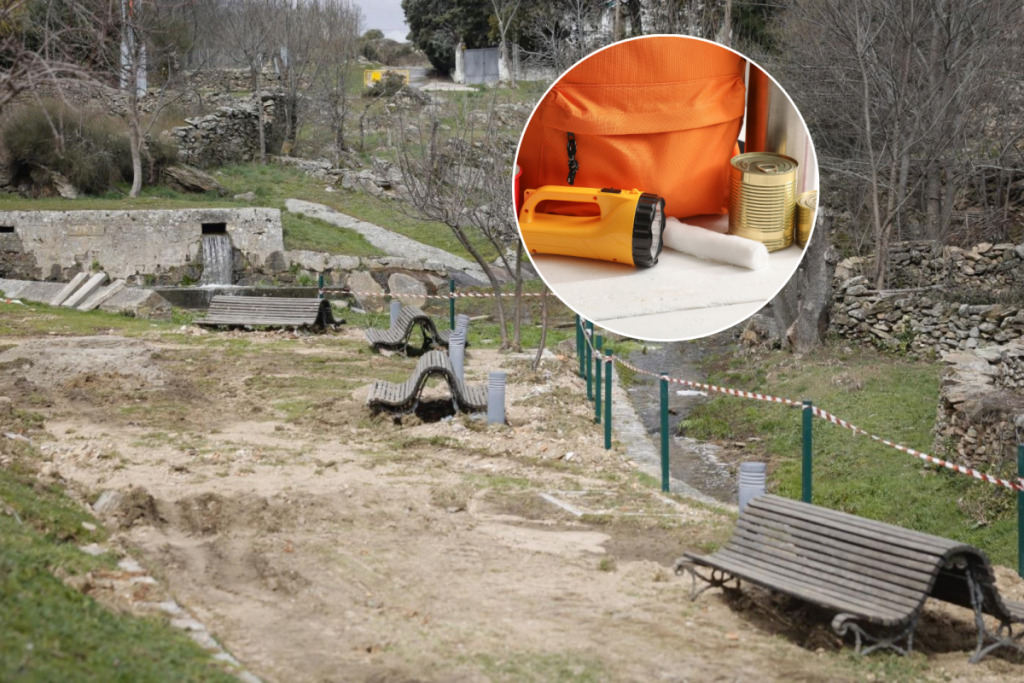

The Community of Madrid has sent a letter to the region’s 179 municipalities urging them to implement preventive measures ahead of the arrival of fall, a season that historically sees a high concentration of torrential rain events. The letter, signed by the Madrid 112 Security and Emergency Agency (ASEM112), reminds local governments of their obligation to have a local emergency plan in place, inspect the sewer system, clean out drains and catch basins, mark flood-prone areas, and prohibit parking along riverbanks and in dry riverbeds.
The recommendations are part of the Special Civil Protection Plan for Flood Risk in the Community of Madrid (INUNCAM), which identifies areas susceptible to flooding, organizes emergency response teams, and defines risk levels. In the event of an extreme alert, the Community may activate the ES-Alert mass messaging system, as it did in September 2023 during the cold drop (DANA) that affected the southwestern part of the region.
In the home, ASEM112 recommends keeping roofs, downspouts, and drains clear; protecting exterior doors from heavy rain; disconnecting electrical supplies; and moving to upper floors of the home if water threatens to accumulate on the lower levels. Staying away from ravines and riverbeds and avoiding crossing flooded areas are also priority measures.
The basic emergency kit: key to a safe evacuation
The most practical recommendation in the statement is to prepare a basic emergency kit ready to take with you in case of evacuation. It should include personal documents, regularly used medications, a flashlight, food and water for several days, and a battery-powered radio—essential if the power goes out. Your phone should be kept charged at all times.
During the emergency, ASEM112 asks that people call 112 only in situations of real danger to avoid overloading the lines. Once the weather event subsides, it is advisable to check for possible damage to homes, verify the status of electricity, water, and gas services, and move affected belongings out onto the street without obstructing traffic.
Canal de Isabel II is joining the initiative with its own communication to municipalities, in which it reports on increased monitoring of urban drainage systems and the cleaning and inspection of sewers, collection pipes, and storm drains. The public utility also warns that the accumulation of leaves and debris on grates can hinder water drainage and cause flooding.