
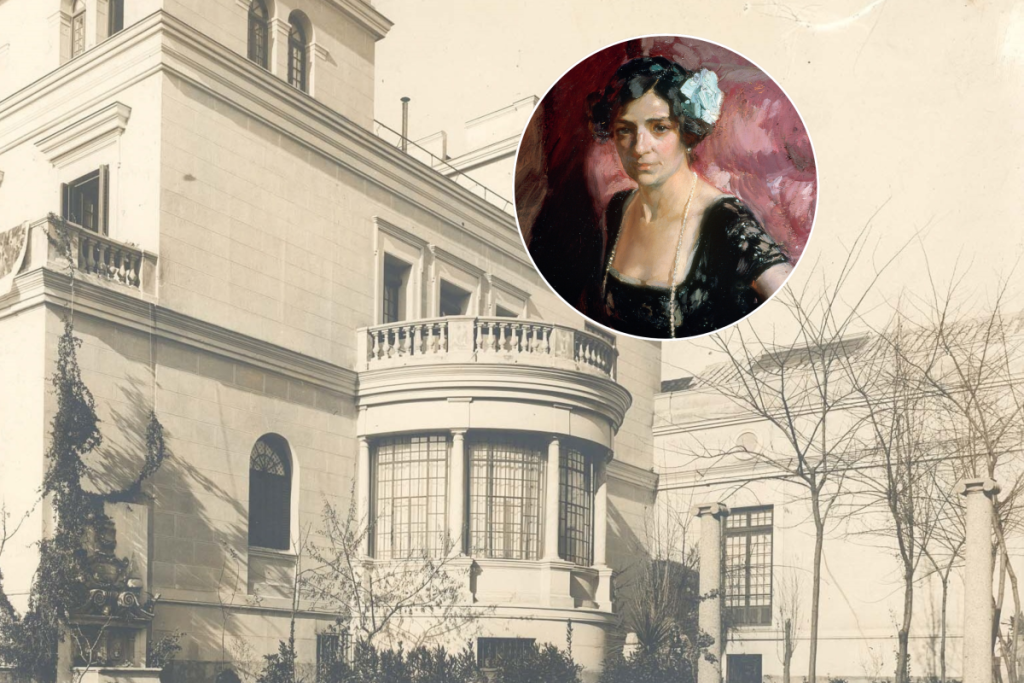

Behind every great museum (as with every great man) there is a great woman. Or, well, at least that is the case with the Sorolla Museum, founded thanks to Clotilde García del Castillo, the widow and custodian of the famous Valencian painter’s work.
In addition to being Sorolla’s wife and muse (to whom the painter dedicated thousands of love letters and passionate declarations such as “You are my flesh, my love, and my mind”), Clotilde was also the administrator of her husband’s body of work.
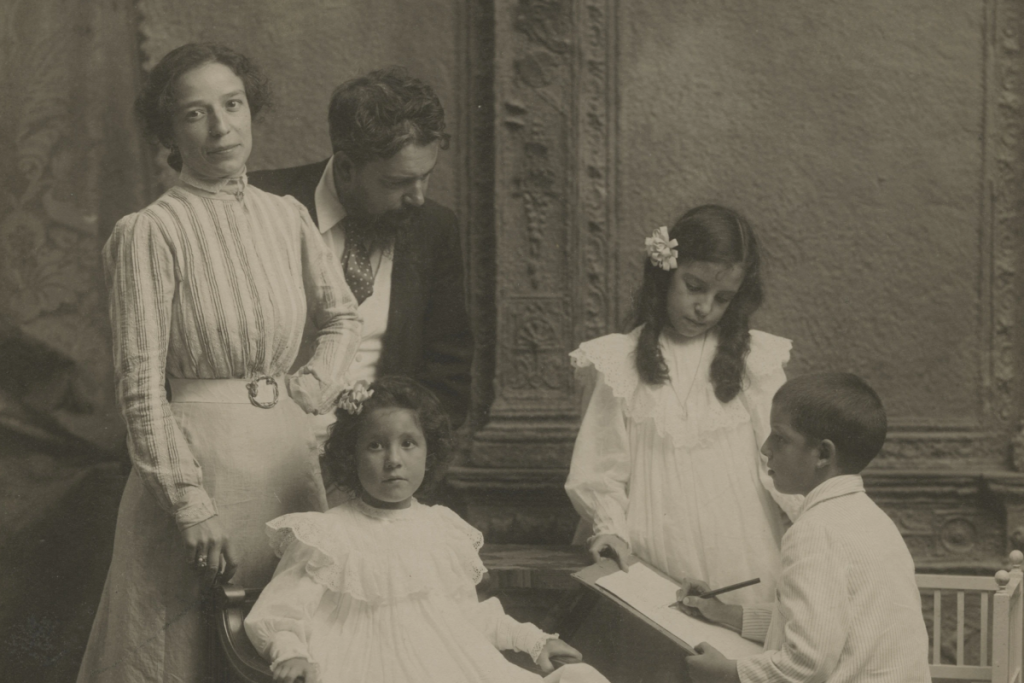
The dissemination of Sorolla’s paintings and his recognition outside of Spain were due not only to the Valencian painter’s talent—with his ability to capture light in vivid brushstrokes—but also to Clotilde’s work as the manager of his artistic output (that perhaps less glamorous, but no less important, aspect of a professional artist’s work).
Clotilde was responsible for her husband’s correspondence, as well as for shipping his works both within Spain and abroad. Archer Milton Huntington, a patron and philanthropist close to the couple, said of Sorolla and Clotilde: “Without her, he surely would not have gotten where he is today.”
The will that made the creation of the Sorolla Museum possible
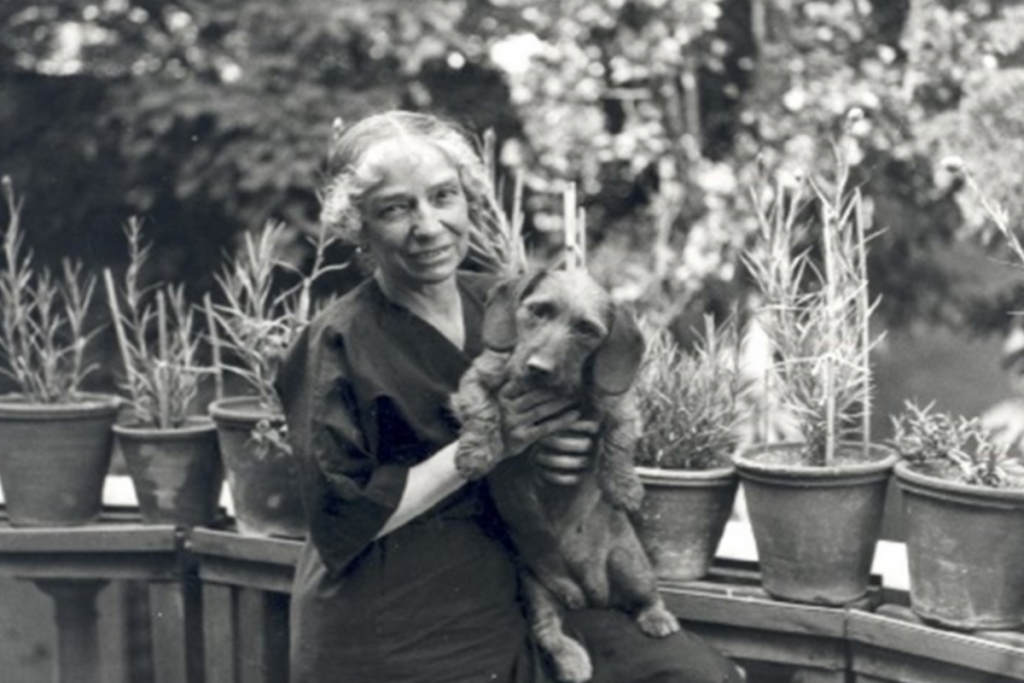
In 1920, while painting a portrait of the singer Mabel Rick in the garden of his home in Madrid, Sorolla suffered a stroke at the age of just 57 and never painted again. He died three years later, while Clotilde lived until January 5, 1929. Before that, however, she made sure that the work she had begun as the administrator of her husband’s legacy would not be interrupted after his death.
In her will, Clotilde bequeathed to the Spanish government the collections that belonged to her, as well as the house in Chamberí where the Sorolla-García family had lived since 1911, and which had housed the painter’s studio (in addition to a garden designed by Sorolla himself).
It was her wish that it become a museum in memory of her husband, which finally opened in 1932 under the direction of Joaquín Sorolla y García, the couple’s middle son.
The house-museum has been undergoing renovation since October 2024 and will remain closed to the public until further notice, although the museum’s expansion—featuring new exhibition halls, an auditorium, and a restoration workshop—is open to visitors today free of charge.