
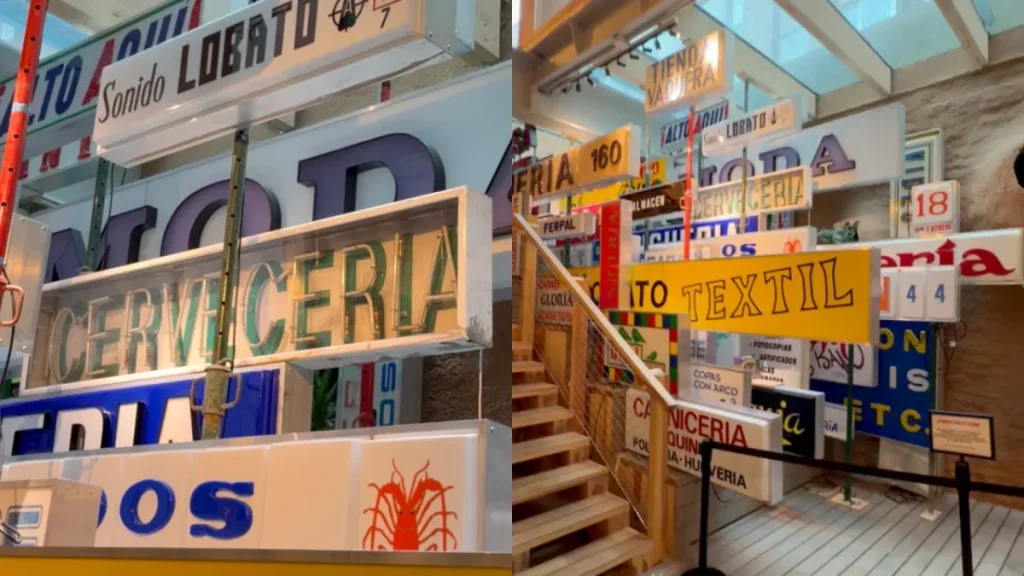

What turns an urban element into cultural heritage? Is it the passage of time, or is it something else? When a traditional business closes its doors for good, its sign usually ends up in the trash. However, the Paco Graco collective steps in on the streets before this happens to rescue these signs and preserve the visual—and (perhaps above all) sentimental—memory of the capital’s neighborhoods.
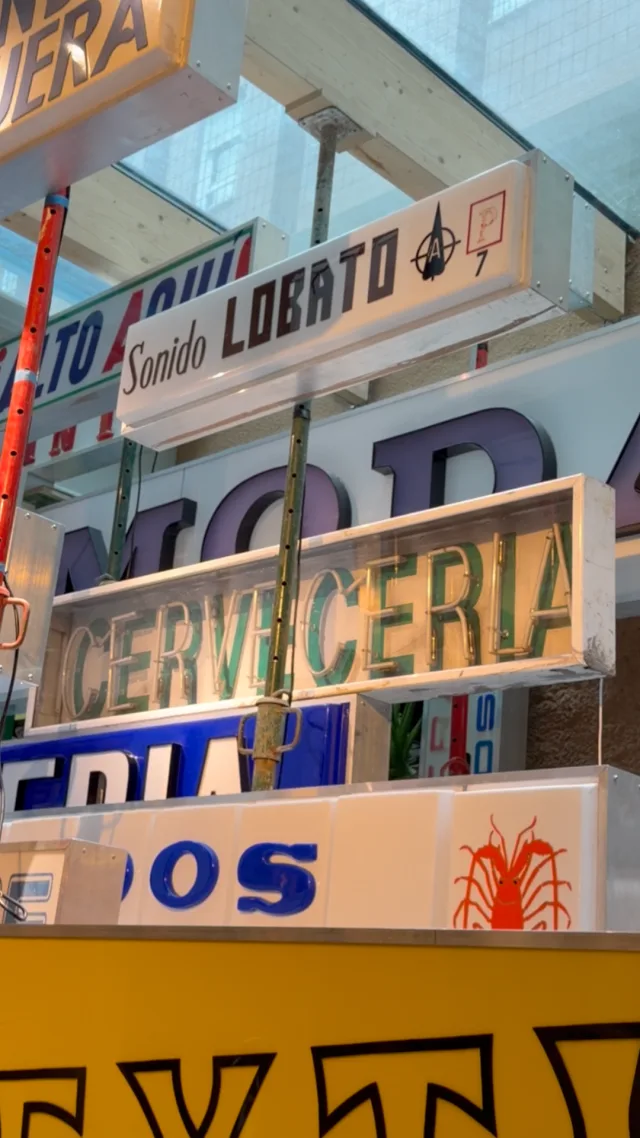
A Second Life for Commercial Signs
Dismantling and salvaging old signs from bars, grocery stores, hardware stores, and other long-standing businesses. That is the mission that Paco Graco has set for itself. By saving them from destruction, the project keeps an identity alive—even if only in a museum-like sense.
Instead of ending up in a landfill, dozens of these signs have found a new purpose and are now preserved as urban heritage. Illuminated letters, classic embossed typefaces, and signs that will be familiar to many residents make up this collection.
Signs from historic textile shops, old cafés, and neighborhood businesses are on display once again, away from their original storefronts. This might sound familiar if you stopped by CentroCentro a few years ago and visited the exhibition *Nothing Will Remain of All This*.
Free exhibition through January
To raise awareness of this archive of the city’s commercial and typographic history, a large portion of the signs recovered by Paco Graco are currently on display in an exhibition at the Infinito Delicias space. The exhibition brings together pieces of different types, sizes, and eras, stacked and installed throughout the venue, offering a visual journey through the aesthetics that defined the streets in the past.
The installation allows visitors to walk up close among the letters and signs that once graced their city blocks. The exhibition is open to the public free of charge and can be visited through January 10.