
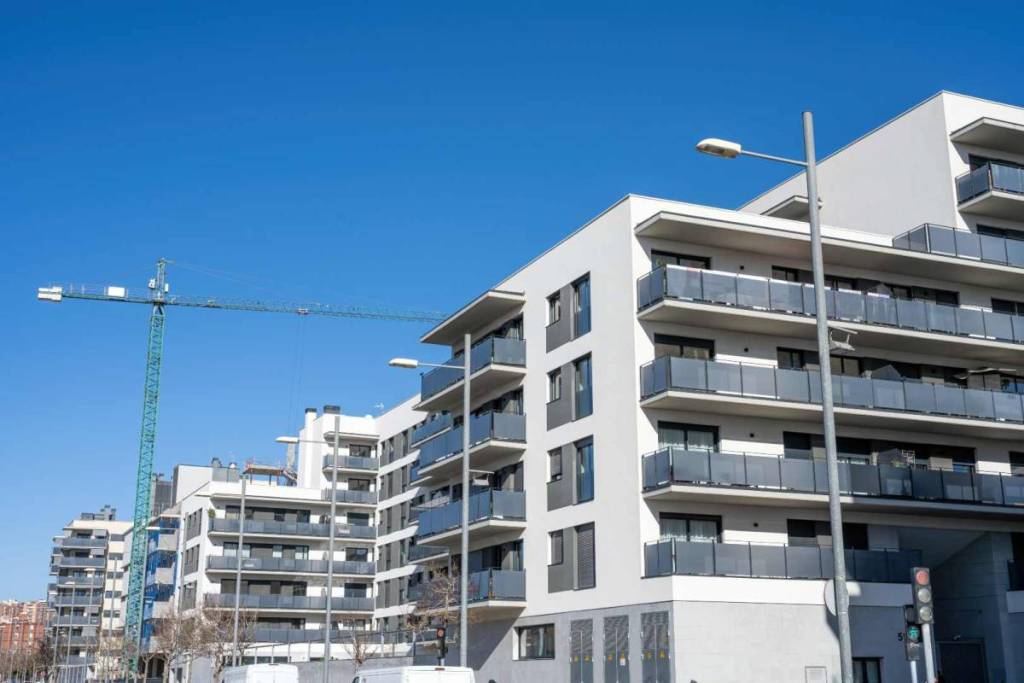

Madrid continues to add new neighborhoods and more housing; in this case, Coslada has just taken a key step in its urban development: the City Council has given initial approval to the urban development project for the Barrio del Jarama, the last major development it had yet to launch. Covering an area of approximately 758,000 square meters, this new development calls for the construction of more than 4,400 homes, of which around 1,550 will be public and subsidized, making it one of the largest affordable housing developments in the Community of Madrid and, according to the city council itself, in the entire country as well.
The Barrio del Jarama is the last remaining area of Coslada yet to be developed. The 75–76-hectare site is located on the northern outskirts of the town and is conceived as a natural extension of the existing urban fabric, with direct connections to the Ciudad 70 area and its own access to the M-45.
Lifetime Affordable Housing in Madrid
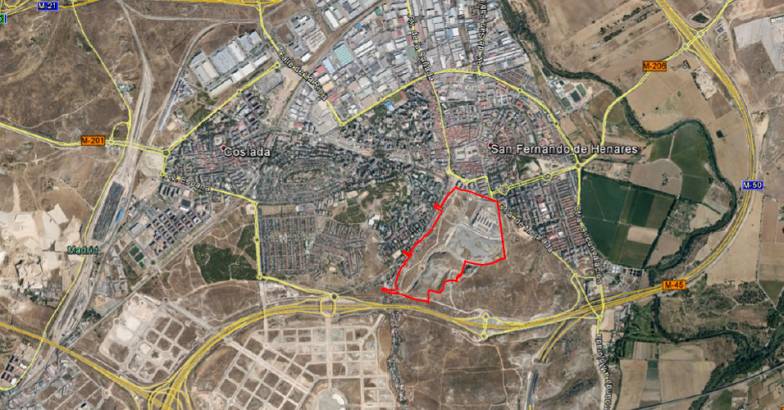
The key factor setting this project apart is the proportion of public and subsidized housing. Of the more than 4,400 homes planned, around 1,550 will be subsidized in some way and will be allocated to groups facing the greatest difficulties in accessing housing, particularly young people. Mayor Ángel Viveros has emphasized that this means nearly 45% of the homes in the development will be public housing, compared to the 10% minimum required by current law in new development areas.
This proportion makes Barrio del Jarama a unique case, since many metropolitan developments have focused on the private housing market; here, the backbone of the city’s message is the “lifetime” protection of a very large number of public housing units. The City Council insists that the goal is to ensure that young people from Coslada do not have to move to other municipalities to find affordable housing and that a significant portion of this housing stock remains under the subsidized housing system at all times, thereby safeguarding its social function.
The green light for the Barrio del Jarama project comes after a very long administrative process. Planning for the area dates back to 2004 and has gone through various phases of approval, modifications, and procedures with the Community of Madrid. The regional government’s final approval of the plan came in April 2023, after nearly two decades of back-and-forth.
From that date onward, the urban development plan still needed to be drafted and processed, and the Local Governing Board has now given it initial approval. The proposal must still undergo a public comment period so that residents and organizations can submit comments and suggestions, and the necessary reports from the relevant agencies must be obtained before provisional and final approval can be granted. Only then can construction begin, paving the way for the building of the first homes.
The City Council also links the neighborhood’s development to improvements in nearby metropolitan infrastructure, such asthe problematic Metro Line 7b, whose impact on land within the development area has created tensions between the City Council and the Community of Madrid. Resolving these conflicts will be key to ensuring that the new neighborhood is accompanied by an efficient public transportation network that reduces dependence on private vehicles and connects well with the rest of the metropolitan area.