

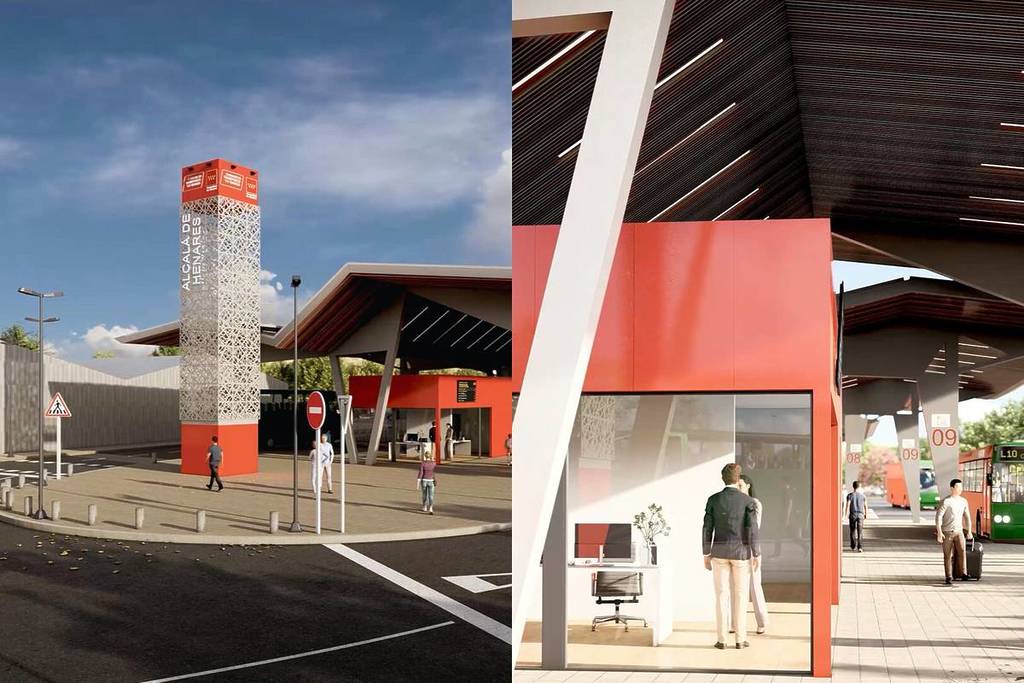
The Community of Madrid has set a date for the start of work on what will be the first regional interchange outside the capital. It will be located at number 132 Vía Complutense in Alcalá de Henares and will serve more than ten municipalities in the Corredor del Henares. With an investment of more than 14 million euros, the project will start up in the second half of 2026 and is expected to be operational during the second half of 2027.
Conceived as a new model of light infrastructure and designed on the surface, the interchange is part of the Regional Interchange Plan promoted by the regional government, which seeks to improve territorial cohesion and facilitate mobility through accessible, sustainable and well-connected solutions.
In this case, it will concentrate 16 bus lines -five urban and eleven interurban- and will have 161 parking spaces, including 10 electric recharging points, a resource increasingly demanded by users.
In addition to the parking lot, the project includes landscaped areas, air-conditioned lounges and waiting areas designed to improve the traveler’s experience. The facility aims to become a recognizable and functional space that favors intermodality and reduces dependence on private vehicles.
A strategic infrastructure for the Henares Corridor
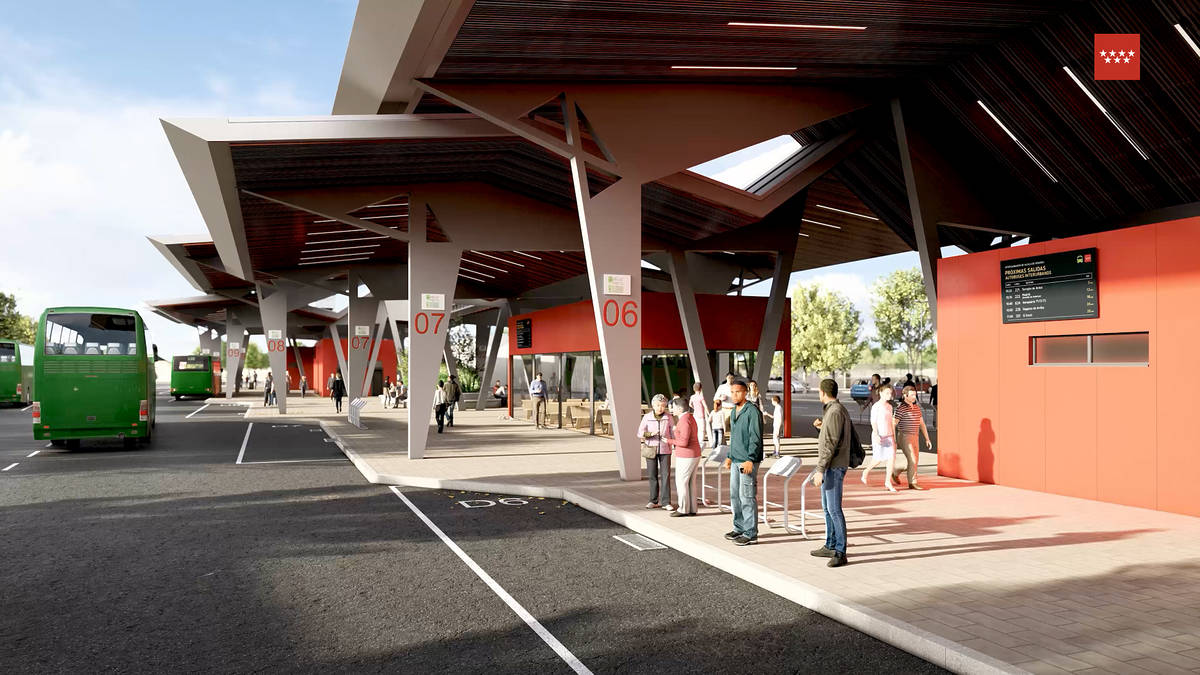
The future station will not only benefit the residents of Alcalá, but also those of the following municipalities:
- Camarma de Esteruelas
- Daganzo de Arriba
- Fuente el Saz de Jarama
- Los Santos de la Humosa
- Meco
- Torrejón de Ardoz
- Torres de la Alameda
- Valdeavero
- Valdeolmos-Alalpardo
- Villalbilla
An interchange that doesn’t please everyone

During the State of the Region Debate, President Isabel Díaz Ayuso stressed that the interchange represents “a strategic investment for the eastern area of Madrid” and a “qualitative leap in comfort and efficiency for users”. This line was also endorsed by the mayor of Alcalá de Henares, Judith Piquet, who thanked the Community for its commitment to an infrastructure which, she said, had been demanded by the citizens for years.
However, the project has not been free of criticism. The local opposition – led by the PSOE and Más Madrid – have been skeptical about the location, far from the center and the train station, as well as the final design, which some have described as “a garage disguised as an interchange”. The groups are also calling for a direct connection to the Cercanías network, to guarantee true intermodality.