

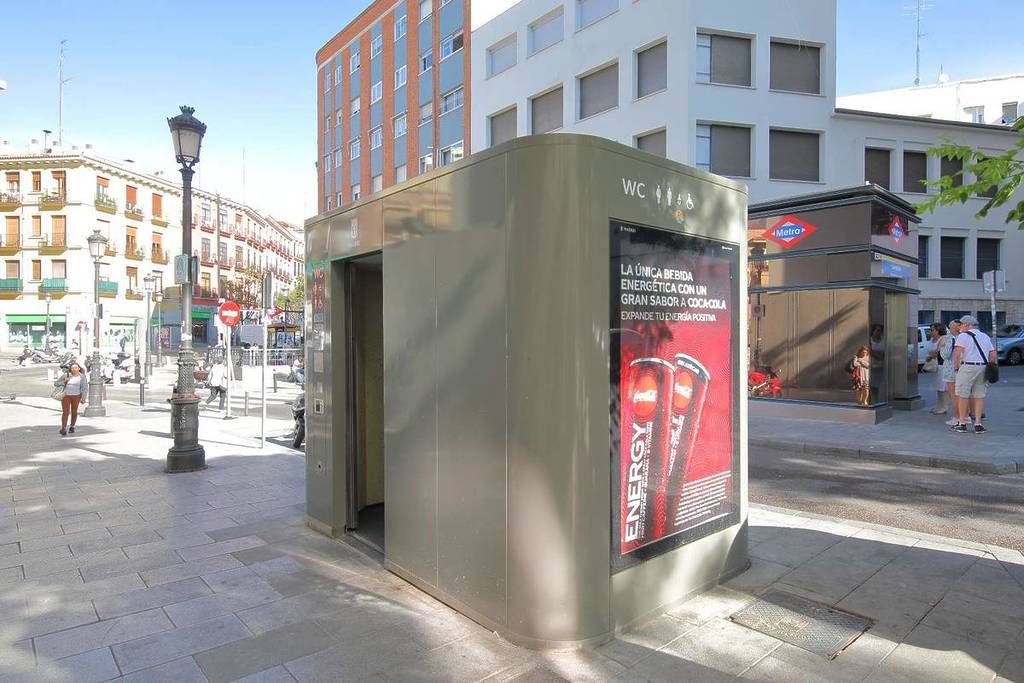
Madrid is always under construction, it is always being renovated and tourism is growing year after year, 5% in the last 12 months, but there is a little known reality about the hygiene of its public toilets. According to a recent international study that has analyzed more than 19,000 reviews and ratings on platforms such as Google, the capital ranks ninth in the ranking of cities with the dirtiest public toilets in Europe, with a score of 7.35 out of 10 in the so-called dirtiness score and only 3.4 out of 5 in average user ratings.
This ranking places Madrid in an ungratifying position, although it is surpassed by reference tourist destinations such as Stockholm, Berlin or Paris. However, there are two large cities such as London and Rome that surpass it in terms of cleanliness. More than 10% of the reviews collected make explicit mention of dirty conditions or lack of maintenance, while the massive traffic (an average of 15 million uses per year in key facilities is estimated) and tourist pressure contribute to the difficulty of maintaining these spaces in optimal conditions.
Dirty and scarce: this is what Madrid’s public toilets are like.
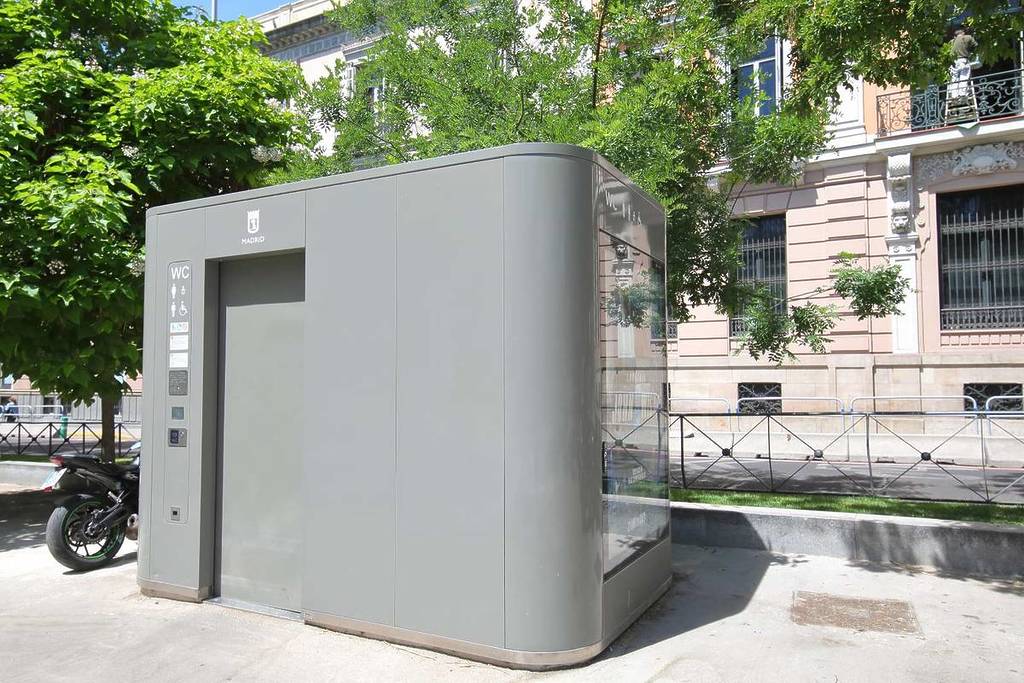
The study also highlights the low number of public toilets available compared to demand. The situation is aggravated when Christmas, long weekends and big events are approaching, when the number of tourists increases and finding an open, free and clean toilet can become an odyssey. The fear of lack of hygiene has a direct effect on the habits of the people of Madrid, 75% only resort to public toilets if they have no other choice, and apprehensions about cleanliness, odors or lack of paper are repeated.
In contrast, other capitals such as Vilnius (Lithuania) stand out for excellence in cleanliness and maintenance, scoring close to 10/10 in the index analyzed. Among the reviews on Madrid’s toilets, one in five visitors mentioned words such as dirty or smelly in their opinions. Perhaps reaching Lithuania’s excellence is ambitious in the short term, but there is a large margin for improvement if the city’s population continues to grow, along with tourism.