
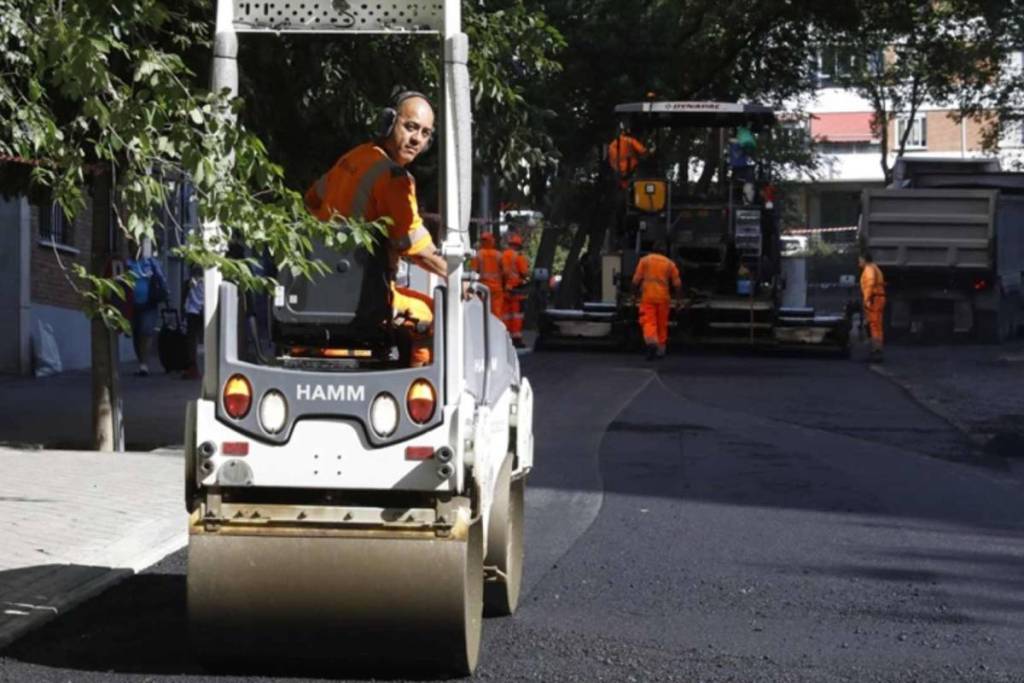

The Moncloa-Aravaca district is preparing for a renovation that takes place every summer: the resurfacing of a dozen major streets with pavement made from recycled tires. The Madrid City Council has approved an investment of 1.3 million euros specifically earmarked for improving the asphalt on these roads, to extend the pavement’s useful life and reduce the traffic noise that residents endure on a daily basis.
The decision to use this type of asphalt mix with recycled rubber is part of a strategy to incorporate more sustainable and efficient materials into urban maintenance projects, and it turns the district into a testing ground for a “more pedestrian- and driver-friendly” street model.
The 12 streets to be repaved
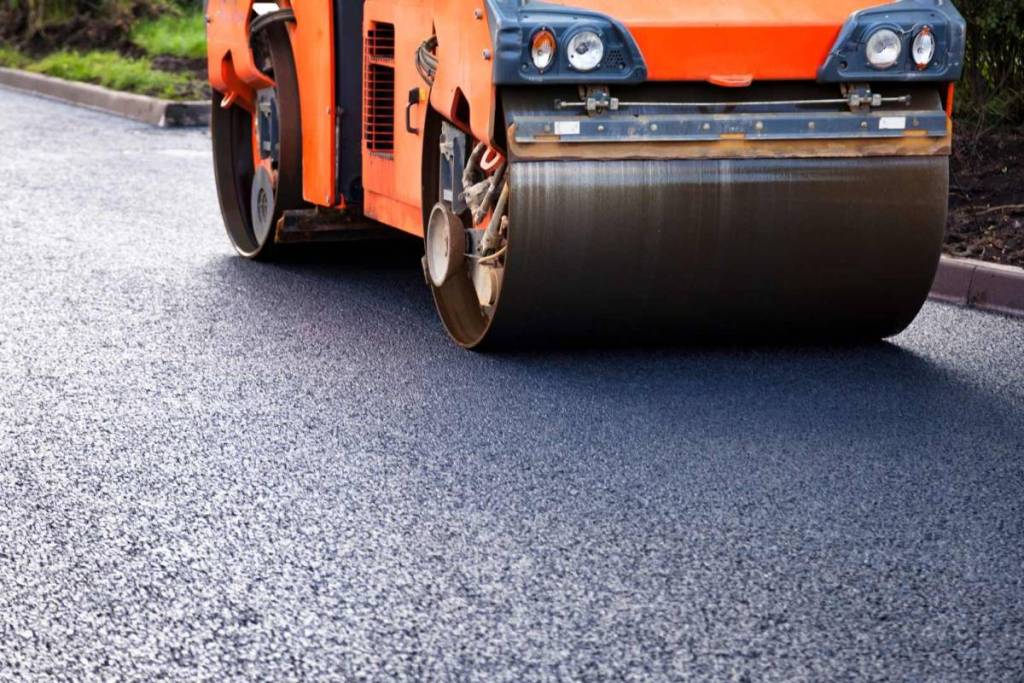
The 12 roads included in the project form part of the district’s road network: major thoroughfares and high-traffic streets that connect residential neighborhoods, commercial areas, public facilities, and access points to the A-6. On many of these roads, the pavement was already showing clear signs of wear: cracks, potholes, loss of texture, and the appearance of “alligator cracking,” which not only affects driving comfort but also safety—especially on rainy days and for two-wheeled vehicles. The project will involve milling the deteriorated asphalt and then laying a new mix containing recycled rubber, designed to better withstand traffic loads and temperature fluctuations.
The streets involved will be:
- Calle de Argentona,
- Calle de la Batalla del Garellano
- Beatriz de Bobadilla Street
- Calle del Buen Suceso
- Ronda de la Buganvilla del Tey
- Ronda de las Flores
- Francos Rodríguez Street
- Plaza de la Moncloa
- Calle de Nueva Zelanda
- Calle del Rey Francisco
- Plaza de San Ignacio de Loyola
- Sirrach Street
The paving work using recycled tires joins other recent initiatives in the district, such as sidewalk improvements, the renewal of road markings, and the repaving of areas with heavy pedestrian traffic.