

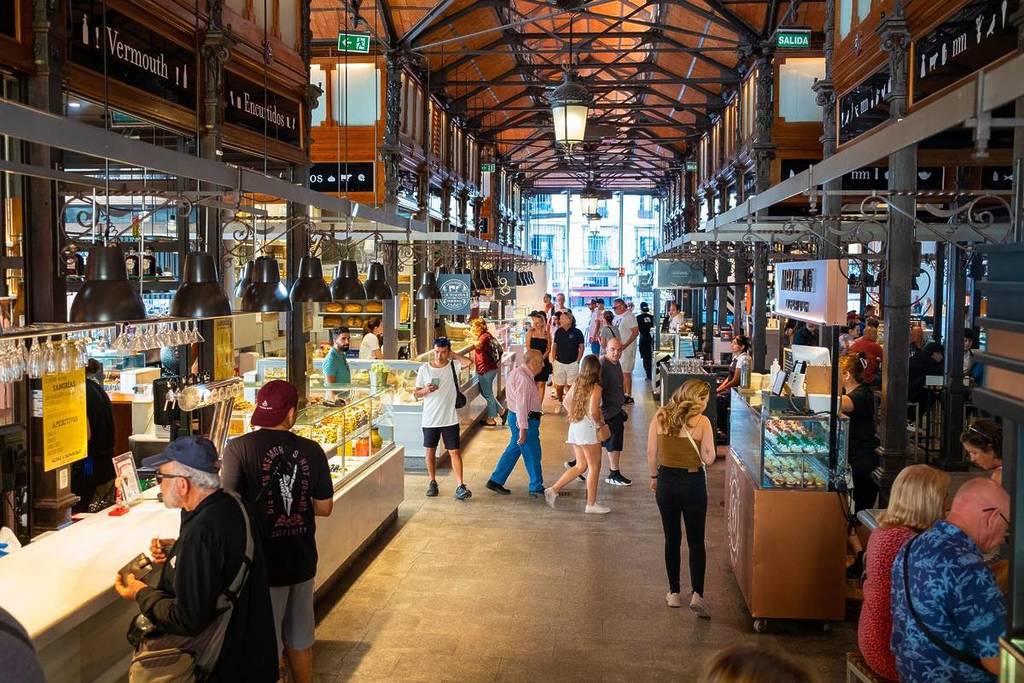
I have never met a Madrilenian who (of their own accord) has decided to make a pilgrimage to the San Miguel Market with the intention of eating there on any given Wednesday—unless it’s to show it to a visiting friend—and that justifies describing it as a culinary showcase with more cameras than pots on the stove.
Its iron structure and privileged location make it one of the most visited spots in Madrid, but not one frequented by those of us who live here. If this article falls into the hands of a visitor, let it serve as an honest compass: Madrileños don’t eat at the San Miguel Market, but rather at other places that still retain the local vibe, the surprise on the plate, and the soul of the market.
While the iconic market is closed until further notice for restoration work, with no specific reopening date and rumors of commercial expansion in its basement, it is worth looking elsewhere for some of the city’s most interesting gastronomic projects, without all the glitz and glamour. In Vallehermoso and Antón Martín, for example, chefs such as Samy Alí, Roberto Martínez, and Rafael Bergamo are redefining what it means to eat well in Madrid.
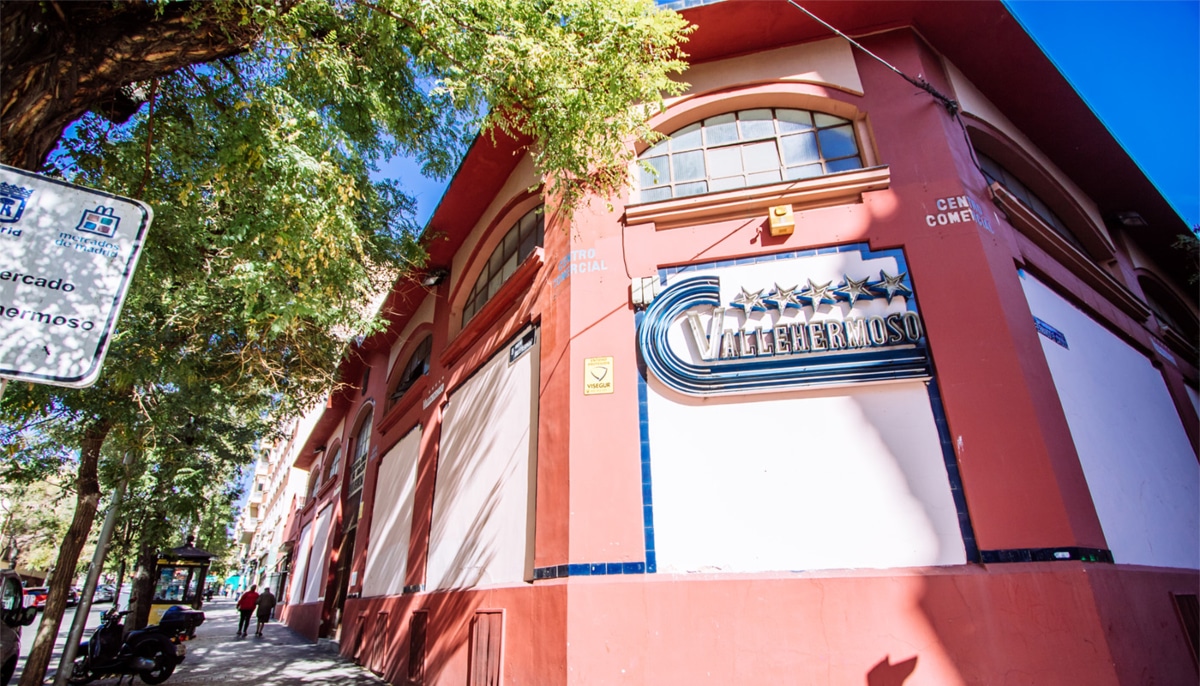
Vallehermoso: the market that became a gastronomic laboratory
 Editorial credit: Madrid City Council
In the Chamberí neighborhood, the Vallehermoso Market has managed to transform itself without losing its essence. Although there are still traditional fruit and vegetable shops and butchers, today the spotlight is on its bars, stoves, and fermented foods.
One of the big names is Kitchen 154, a self-proclaimed temple of spicy food and responsible for Korean ribs (among many other dishes) that mark a before and after. There is also Tripea, the project by chef Roberto Martínez that was recognized as the best market stall by the Association of Chefs and Pastry Chefs, and which many consider to be one of the best restaurants in Madrid.
And then there’s Krudo Raw Bar, the latest—very serious—craze from Rafael Bergamo, also chef at Kuoco. His commitment to raw products, oysters with impossible dressings, and a muffin that travels from Malaga to be the basis of an unforgettable bite has raised the bar at the market. The menu is constantly changing, natural wines abound, and the atmosphere is as relaxed as it is professional.
Antón Martín: Japan, Cantabria, and Southeast Asia in Lavapiés
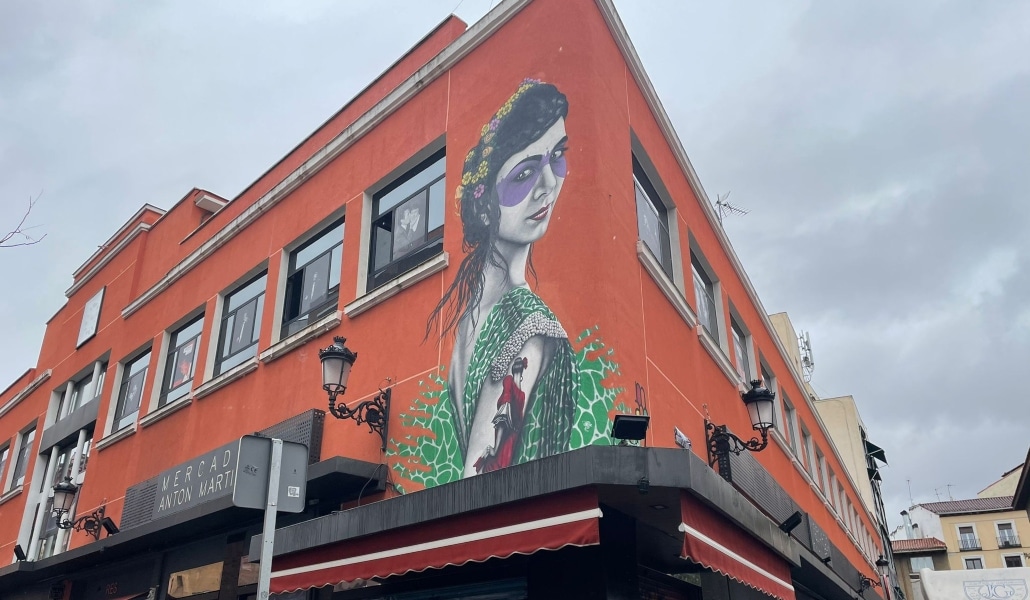
The Antón Martín Market, a stone’s throw from Atocha, has been a refuge for those seeking food with identity for years. There is no dominant aesthetic here, nor is there any need for one: it is precisely its mix that makes it a gem.
Among the most interesting stalls is Doppelgänger, Samy Alí ‘s project after closing his Michelin-starred La Candela Restó. Its menu, which comes without a menu but with questions about allergies, surprises with its price and its technical and creative display. Also in this market is Yokaloka, a Madrid izakaya where the ramen rivals any Tokyo establishment in authenticity.
Asian Army is another great find. Southeast Asian street food, with dishes that taste like Bangkok, Hanoi, or Jakarta, but executed with the respect of someone who has lived there. And if you’re looking for something more traditional but equally refined, there’s Sincio, where the oxtail timbale is garnished with real truffles, not artificial oil.