

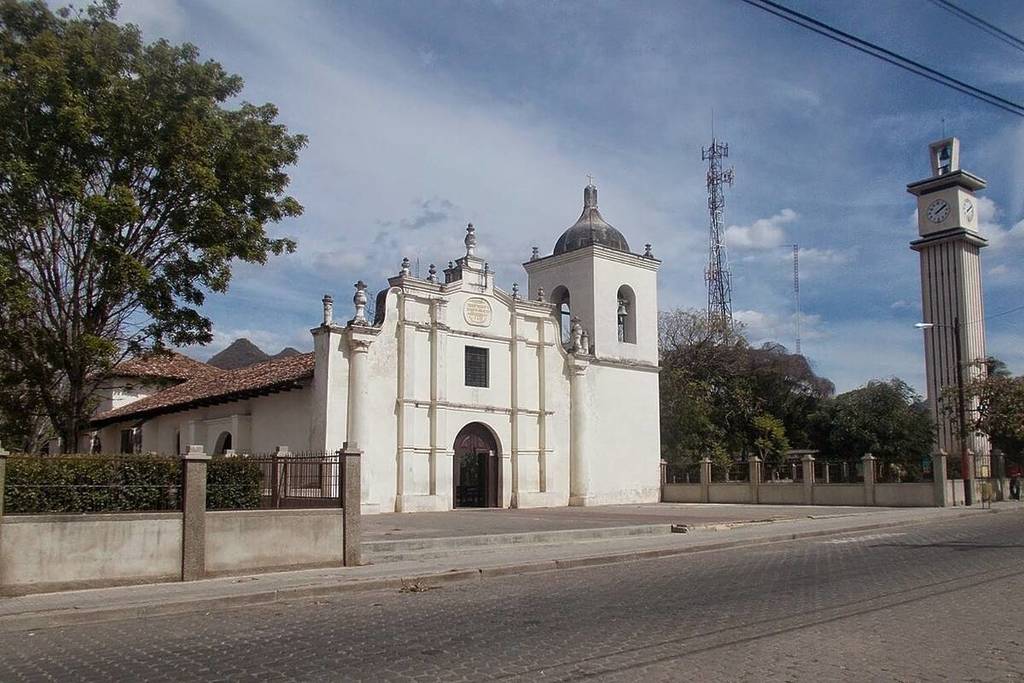
Madriz exists, but not only conceptually or in Madrid slang, but as a region, but not in Spain. In the north of Nicaragua is where the department of Madriz is located. Although the first thing you imagine when you hear this information is that a conquistador from Madrid arrived here in the 17th century and named it after his city, as happens in many cases, the fact that this area of Central America ended up being called this way is not the fault of a Spaniard.
Ironic or not, Madriz was for centuries part of the extensive Nueva Segovia before it was consolidated as its own department in 1936. The name was given in honor of the Mexican-born Nicaraguan president, José Madriz, and Somoto was established as its capital. It is not known why it was decided that the flag should match the colors of the flag of France, but knowing the history of the capital of Spain with the neighboring country, the wink is clear. This is how the region of Madriz was independent before the Community of Madrid, which was not born until 1983, when it separated from the former Castilla la Nueva.
Madriz, the real thing
The original population of this diverse region is the Chorotega, they arrived to these lands moving through the Choluteca and Guasaule rivers, to later become a meeting point between indigenous cultures and Aztec traders. The Chorotegas called the area Tepesomoto – alluding to an exotic bird and the nearby mountain – before it became known as Madriz.
San Isidro is not its patron saint and neither do they celebrate the verbena de La Paloma, but close to Almudena Day in Madriz they celebrate its constitution on November 11, filling its streets with fairs, cultural activities and historical exhibitions.
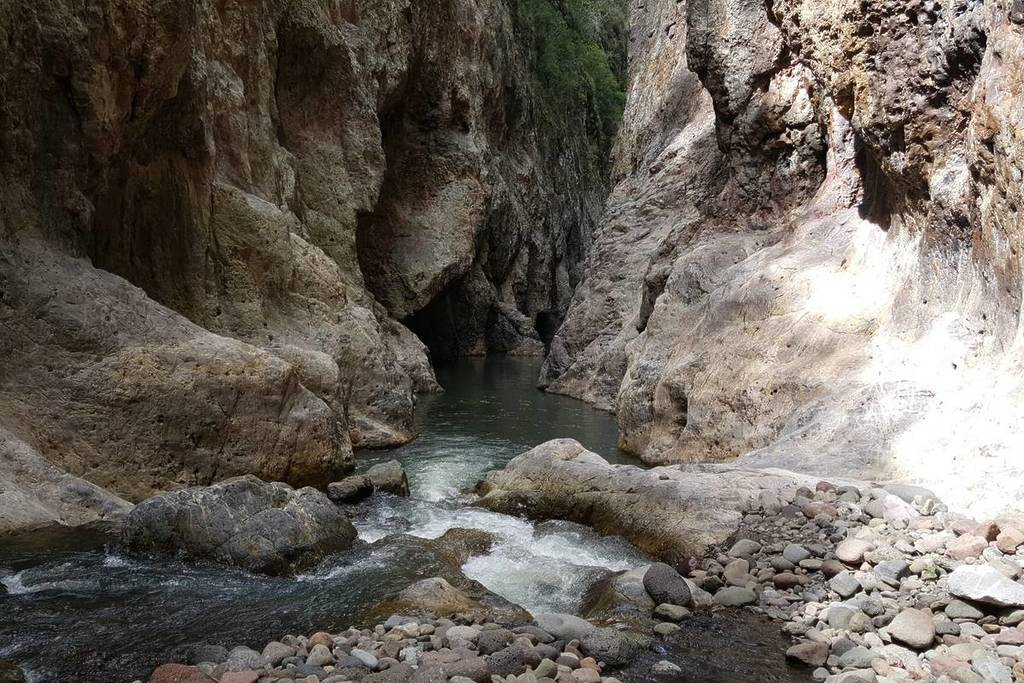
The territory of Madrid is characterized by its cool climate and its spectacular mosaic of mountains, plateaus and plains. In other words, the people of Madrid, those from Nicaragua, can also share the experience of going to the mountains for the weekend, just like those from Spain. The most visited areas are the Tepesomoto-La Patasta Natural Reserve and the famous Somoto Canyon, one of the best known geological landscapes in the country.
The department is crossed by the Coco River, which, compared to the humble Manzanares, the Nicaraguan is of such importance that it is within the first UNESCO World Geopark in Central America. In addition, the “roadrunner” or “soul of the dog” inhabits this area, making it a very attractive place for ornithology enthusiasts.
The gestures of union between both regions are scarce and the comparisons make little sense. To begin with, the Community of Madrid is 7 times larger – 8,028 km² compared to 1,708 km² – than the department of Madriz, but it is still anecdotal that the pronunciation given by the Madrileños to their city has its own place in the world, but so little to do with the capital of Spain.