
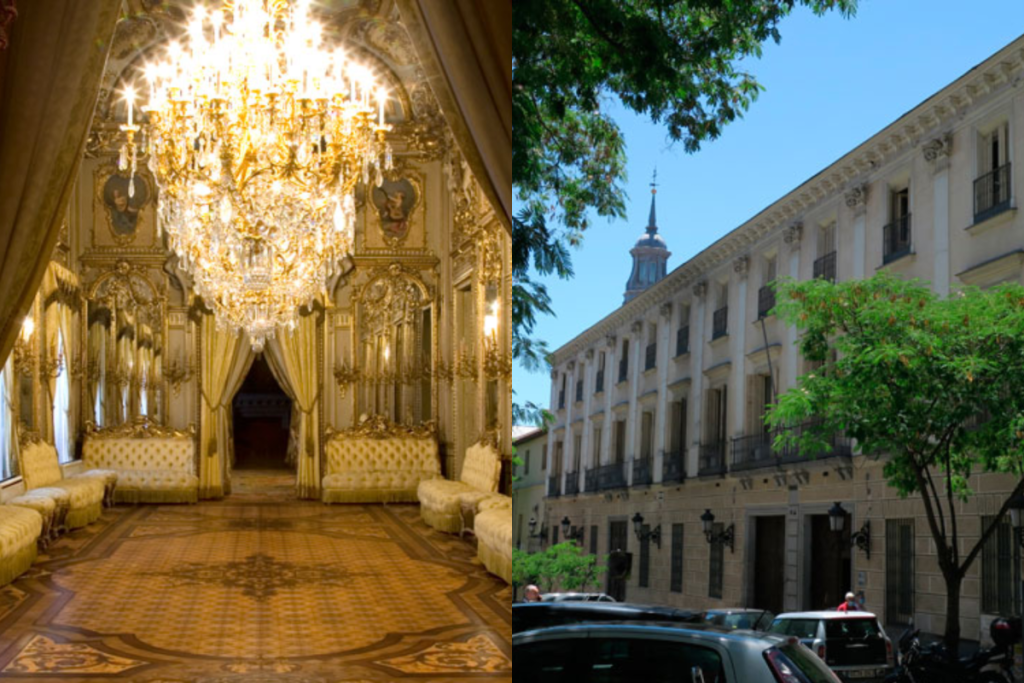

Tomorrow marks the start of the twelfth edition of the Open House architecture festival in Madrid, which has been held in the capital since 2015. According to the organizers, the goal of this annual event is to allow citizens to “understand the value of each space and experience the uniqueness of buildings that are generally closed to the public” through events, exhibitions, walking tours, and guided tours, among other activities.
This year’s festival will take place from November 5 to 8, and its program (which can be viewed on the festival’s website) includes free guided tours and walks through various parts of the city, ranging from skyscrapers to palaces, as well as embassies and architectural firms. Many of these require advance registration, while others are accessible without a reservation.
Of course, every building in Madrid (yes, every single one) has a story worth discovering. Today we’re highlighting one of the sites you can visit as part of the Open House Madrid program: the Fernán Núñez Palace, currently the headquarters of the Spanish Railways Foundation, which still retains its original furnishings intact.
A Palace from Romantic-Era Madrid
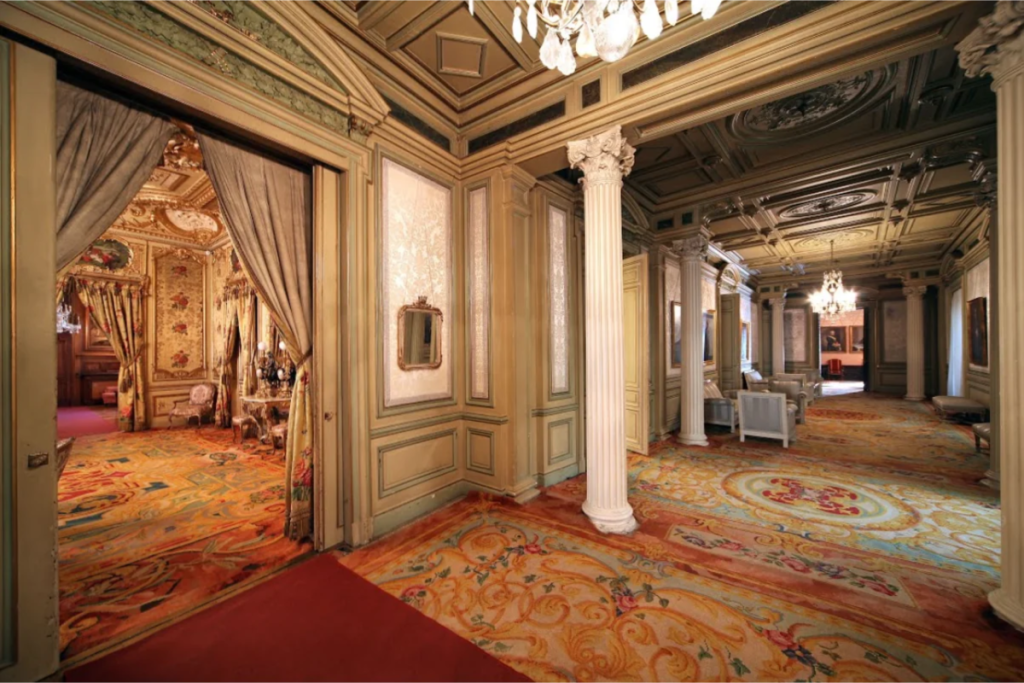
The Fernán Núñez Palace was designed by Antonio López Aguado, a Neoclassical architect active in the late 18th and early 19th centuries who was responsible, for example, for the design of the Puerta de Toledo and the initial plans for the Teatro Real.
Between 1790 and 1799, López Aguado transformed the original manor house into “a grand house, as befitted a Grandee of Spain,” on the orders of the then Duke of Alburquerque and Marquis of La Mina, Miguel José María de la Cueva. However, the mansion would have to wait to see its years of splendor arrive.
In 1815, the palace eventually came into the possession of Felipe María Osorio de la Cueva, Count of Cervellón, who six years later would marry the 2nd Duchess of Fernán-Núñez. Martín López Aguado, the son of the original architect, would oversee another renovation—the first of many—that would transform the palace into one of the most admired examples of Spanish Romantic architecture in the capital.
It was in 1852, following the marriage of the 3rd Duchess of Fernán-Núñez, Pilar Loreto Osorio y Gutiérrez de los Ríos, to the son of Prince Pío of Savoy, that the palace became the family’s primary residence and reached its heyday as the center of social life for Madrid’s aristocrats and politicians and the setting for grand parties and costume balls.
The Civil War and the Change of Ownership
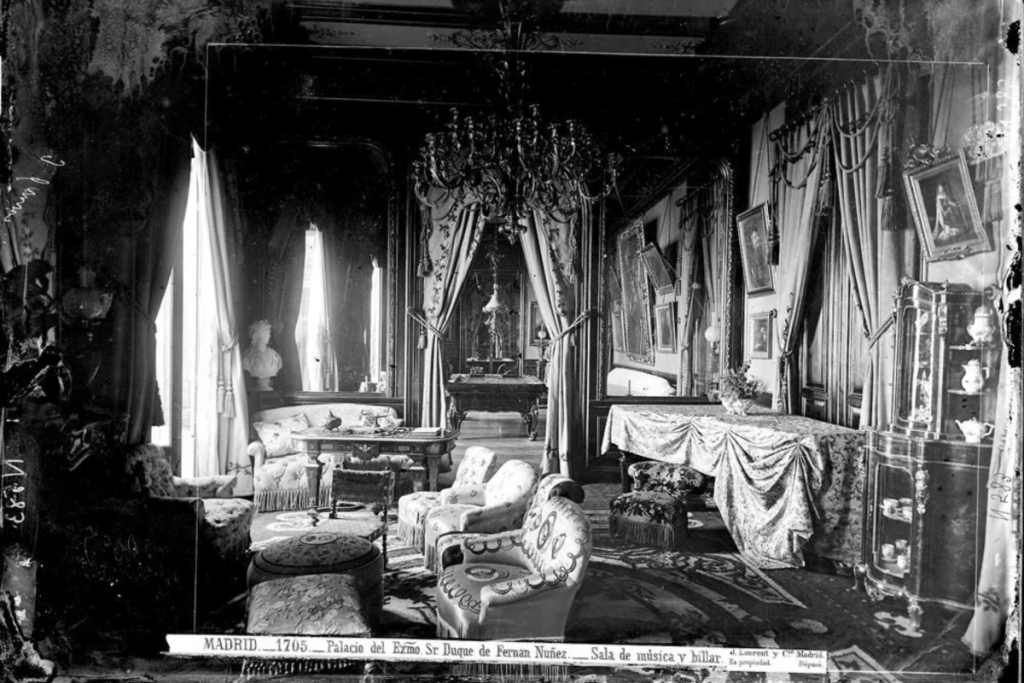
The survival of its works of art during the Civil War was due to the efforts of the militiamen who occupied the palace; they moved the most valuable pieces to the Basilica of San Francisco El Grande and installed protective barriers in the palace’s halls.
The family of Fernán Núñez y Cervellón lived in Paris during the war, and upon their return, the 5th Duchess of Fernán-Núñez sold the palace to the National Western Spanish Railway Company, which, during the dictatorship, was incorporated into the then-new National Spanish Railway Network (Renfe) following the nationalization of the railway system.
Since then, the palace has housed both Spain’s First Railway Museum and, from 1985 to the present, the headquarters of the Spanish Railways Foundation. Much of the 19th-century palace’s furniture and decorations have been preserved, and since June 2025, images of the dukes’ guests at a ball held in February 1884 have also been on permanent display.
How to Visit the Fernán Núñez Palace
This Saturday, November 7, as part of the Open House Madrid program, there will be three guided tours (registration required) with a maximum capacity of 25 people at the Fernán Núñez Palace. Specifically, the tours will take place at 11:00 a.m., 12:00 p.m., and 1:00 p.m., and will last 50 minutes.
If you weren’t able to get a ticket for this Saturday, you can also visit the palace at any other time of the year (though you’ll need to make a reservation in advance).
To visit the Fernán Núñez Palace, you must first check the schedule of available guided tours, which is published monthly on the Spanish Railways Foundation’s website.
Tickets can be purchased directly on the website, either by credit card or via Bizum. According to the official website of the Madrid City Council’s Tourism Department, the price of the tour is €10 per person.
The tours last approximately an hour and a half and are always led by a cultural volunteer from the Spanish Confederation of Senior Citizens’ Centers (CEATE), in groups of up to 25 people. If you’d like to make a reservation for a larger group, you can make a preliminary reservation by emailing palaciofn@ffe.es.