

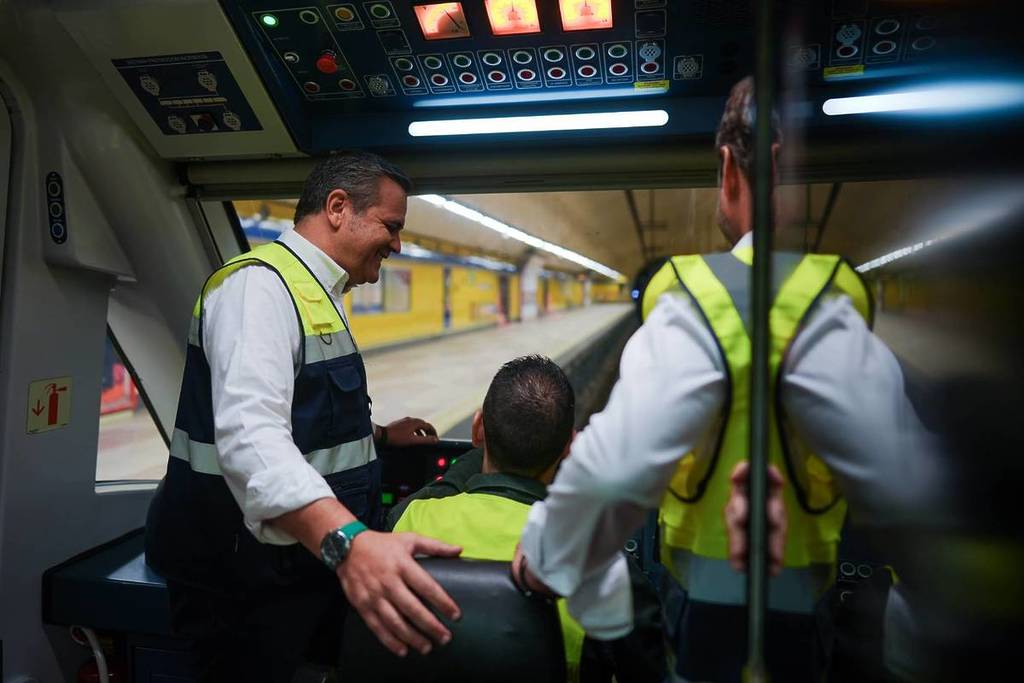
It is getting closer and closer for driverless trains to run on Metro Line 6, a fact that the company describes as “a new technical achievement in the history of the Madrid subway”. The Circular line, the most used of the entire network, will become the first to implement this technology, which is scheduled to take place in 2027.
The aim of this system is not only to reduce waiting times or the noise made by the trains, but also to reduce electricity consumption by up to 30%. To this end, among the works being carried out is the increase of the catenary voltage from 600 to 1,500 volts.
Among the advantages that the circulation of driverless trains will bring to the operation of this line is also a higher frequency -of two minutes, if the estimates are fulfilled-, according to Metro de Madrid. As part of the process, on the other hand, automatic doors will be installed on the platforms.
The collapse of the L6 substitute services
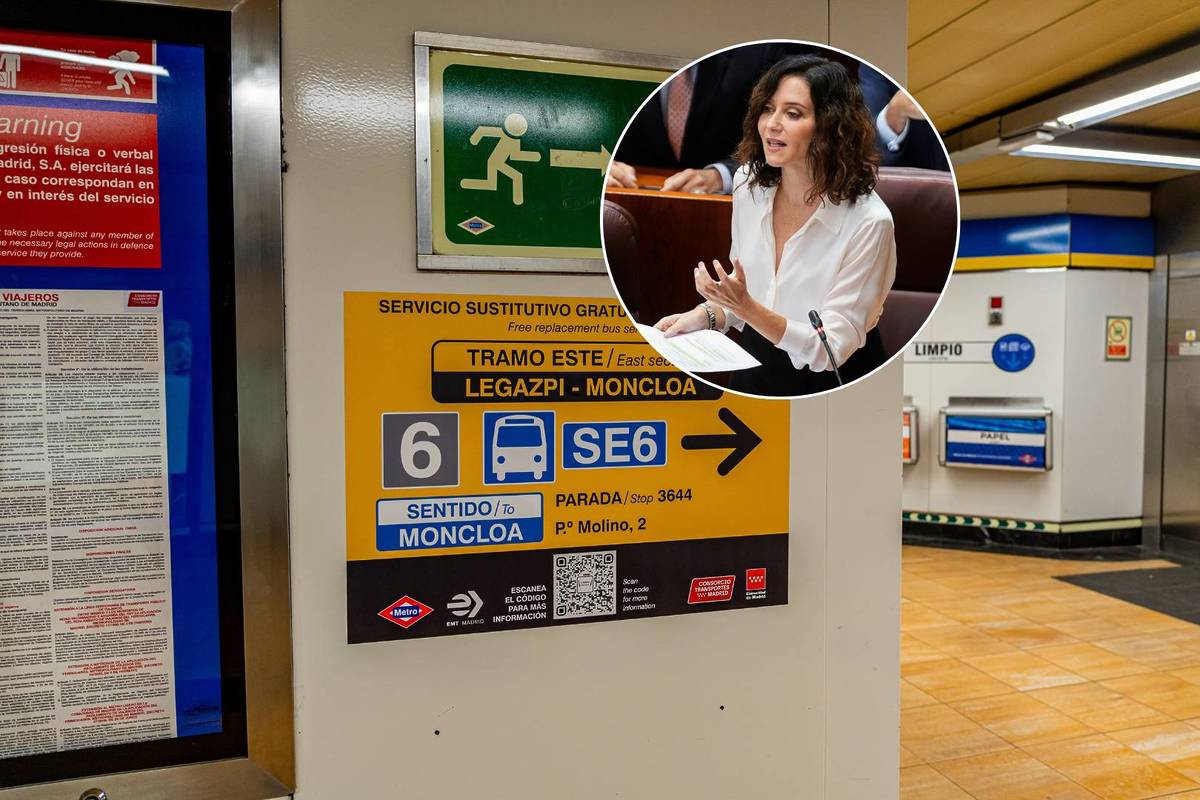
The works for this have been carried out in two phases, by sections: the first (between Moncloa and Méndez Álvaro) began at the end of last May and the second -between Moncloa and Legazpi- started on September 6.
In spite of the fact that, as usual, a free substitute bus service was established while the works were being carried out, from the beginning it was insufficient to absorb the passenger demand, leaving images of total collapse in stations such as Moncloa. The Community of Madrid took a month to reinforce this service with more shuttles.
The works will continue until December 31 and by January 1, 2026, all stations are expected to be open to the public and operating on their usual schedule.