


Madrid’s best restaurants range from small neighborhood taverns to exclusive Michelin-starred establishments, including century-old restaurants and streets like Ponzano, which are the epicenter of new culinary trends.
Madrid is full of brilliant places to eat and drink. That’s why we’ve chosen the 50 best restaurants that every Madrilenian (and non-Madrilenian) should try at least once in their lifetime. This article is nothing more than a general snapshot (very ambitious and, of course, incomplete) of the current state of Madrid’s gastronomy.
Osa
In a city in the midst of a gastronomic boom, such as Madrid, the identity that once set it apart can sometimes get lost. Osa is an inward-looking establishment that has brought a breath of fresh air amid so many attempts at forced authenticity. First, because of its location on the banks of the Manzanares, away from the culinary hub, where it has restored a house with a garden typical of a Madrid neighborhood.
Then, because of its dishes. They don’t aim to be the most innovative; they could be described as classics. They use French techniques—such as rabbit rillettes (similar to confit)—and Spanish ingredients, with local touches, like bread from Clan Obrador.
Montía

Montia reopened in 2022 after closing due to a fire, and once renovated, it regained its Michelin star. They describe themselves as gatherers and growers of the ingredients they cook, and it shows in their menu, which changes with the seasons but always retains a “wild” edge. The trip to San Lorenzo de El Escorial is more than worth it just to try their tripe, and it’s also a great excuse to visit the monastery (again).
La Tasquita de Enfrente

This tiny restaurant is a bastion of haute cuisine in Madrid, boasting 2 Repsol Suns. La Tasquita de Enfrente has been on Calle de la Ballesta for 25 years and transformed from a traditional eatery into a unique dining experience when Juan López Bedmar, son of the original owner and a passionate chef, took the reins—he has since passed the torch to Nacho Trujillo.
Many of his dishes feature no more than three ingredients, and traditional fare is the order of the day—though that doesn’t stop his tasting menu from offering such incomparable combinations as salchichón tartare, raor with snow peas, or Russian salad with shrimp.
Mami Tacos

In Malasaña, there’s a Mexican birria spot that doesn’t take reservations and where you’ll have to wait in line if you go on the weekend. With beef birria tacos for under €3, served with their own broth and homemade sauces, Mami Tacos takes a highly specialized approach that raises the bar for street food in Madrid. Behind the scenes are Patricia Villanueva and Gabriela Vázquez, a mother-daughter duo who recreate the familiar flavors of Mexico in a spot with high tables and a casual vibe. In addition to the star taco, it’s worth trying the Gringa quesadilla, the crispy Mulita, or La Gordi’s al pastor pork belly.
Sala de Despiece
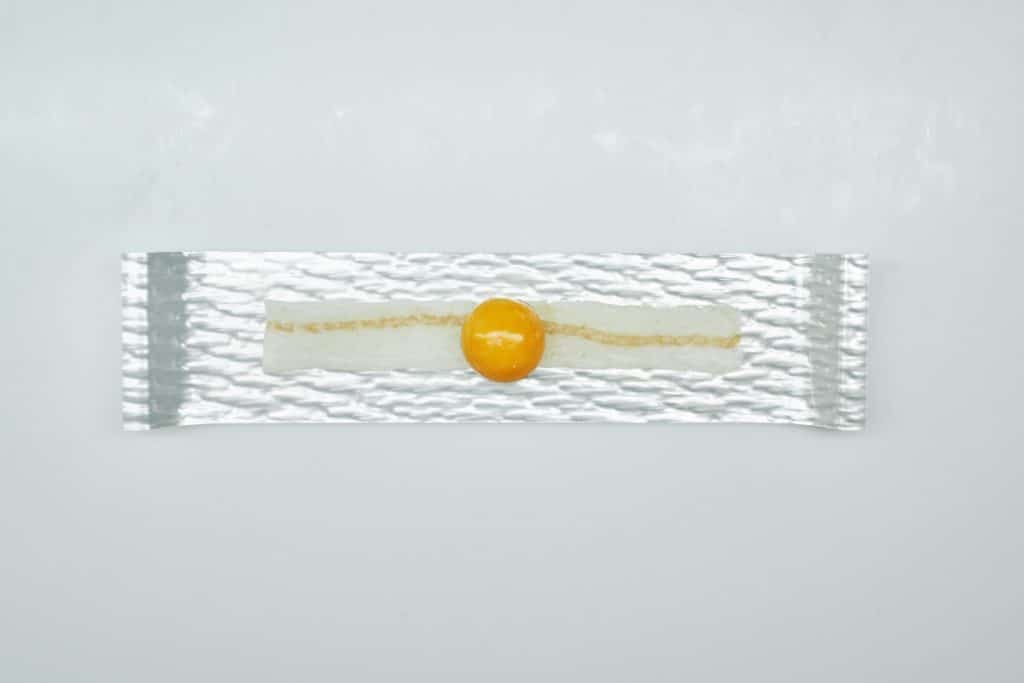
At Sala de Despiece, the focus is clear. It’s no surprise that more and more restaurants are basing their culinary offerings on visual appeal: if it’s photogenic, people will want to come take pictures of it—and then, secondarily, try it. Sometimes the photogenic appeal goes beyond the dish itself, and other times it’s a natural consequence of quality. Sala de Despiece belongs to the latter group; it made a name for itself on Ponzano and, after the lockdown, opened its second location next to Gran Vía. Raw ingredients, creativity, and presentation.
Mawey Taco Bar

We’re not afraid to say it: here you’ll find some of the best tacos in all of Madrid. But they’re also pretty darn good at guacamole, aguachile, and other Mexican culinary delights that are only made better when paired with a homemade michelada. And they make those, too.

Lana is the project of the Narváiz brothers, following many years of experience in the hospitality industry. The restaurant is a tribute to their Argentine roots, and the name refers to a ritual—it’s the way each ingredient is prepared.
There is a meticulous approach rooted in family heritage, respect for Argentine culinary tradition, and the quality of the ingredients. An opportunity to experience one of Madrid’s finest steakhouse restaurants.
There is a venue in Madrid whose walls are living history and which, at the same time, innovates every day. A place that blends the atmosphere of the past and present right in the heart of Madrid’s Gran Vía. The legendary Museo Chicote, which has been welcoming the cream of Spanish (and international) society since the 1930s.
With one Michelin star and two Repsol Guide suns, you begin to get an idea of the level of cuisine you can enjoy at Saddle. A luxurious setting with a culinary offering that’s just as impressive, blending classic and contemporary recipes that let you savor everything from a Rossini sirloin to a plate of tripe.
Brutalista

At Brutalista, they say they embody the spirit of a neighborhood tavern and a market. These experts in making marinades have caught the attention of chefs and food critics despite their short history. Their cuisine features touches of traditional game dishes, such as quail, with elements of Asian cuisine, like the Oliviere temaki, and some classics that never disappoint, such as gazpacho. Plus, their prices are quite reasonable, with three different price ranges.
Bākkō
Chef Sergio Monterde (formerly of Kappo, Zuara, and Sr. Ito) leads Bakko, a signature Japanese restaurant where nigiri, seasoned oysters, scarlet shrimp gyoza, and tataki prepared with precision come together. With a bar seating just 8 and a charcoal grill that sets it apart, the experience is rounded out by a wine cellar featuring over 300 selections curated by Rosalía Caamaño. An intimate, meticulously designed space that is already poised to become one of Madrid’s premier Japanese restaurants.
El Invernadero

The world’s best plant-based restaurant of 2024 is in Chamberí. Although greens take center stage in its dishes, its recipes are mostly omnivorous. Seasonality is crucial to its recipes and a fundamental pillar of the restaurant.
With one Michelin star and two Repsol Suns, this restaurant stands out for its tasting menu, which can be enjoyed in two formats: the chef’s table, where diners experience live show cooking, or the private table in the dining room, for a more intimate experience.
Isa
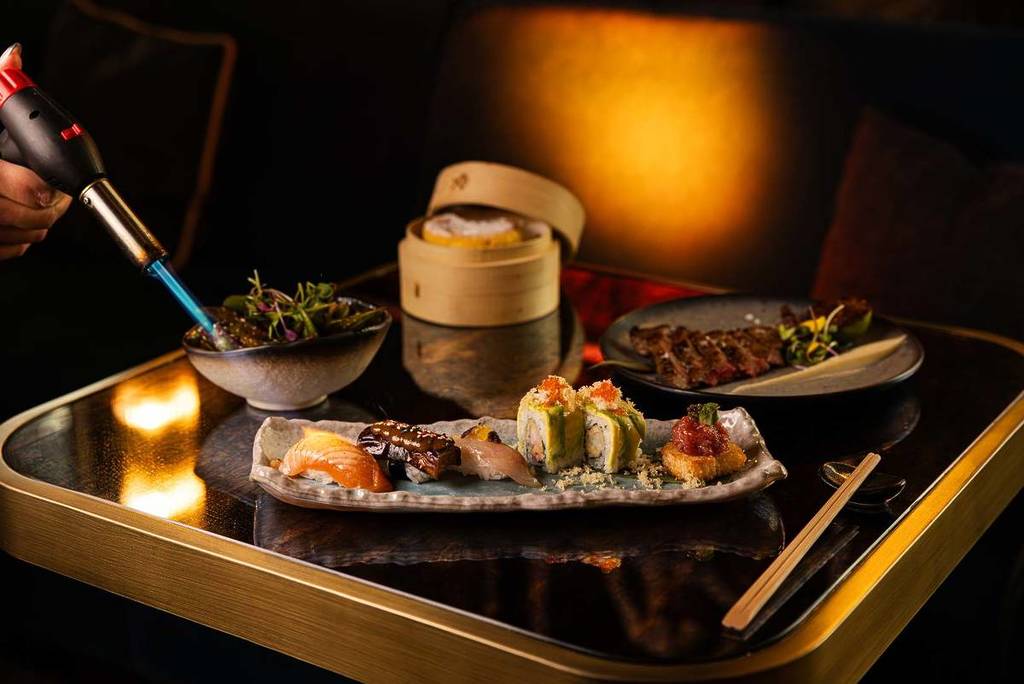
Four Seasons Hotel Madrid raises the bar for Asian fine dining in the capital with a concept that breaks away from convention. Recognized by the Michelin Guide, the restaurant moves away from the traditional format to focus on a bold reinterpretation of luxury street food, where top-quality ingredients are prepared using contemporary techniques and precision grilling.
The dining experience revolves around its raw section, featuring sashimi cuts and sushi platters executed with impeccable technique, alongside a hot menu highlighted by steamed dim sum and grilled meats. For a comprehensive view of the concept, the “Journey Through Asia” tasting menu serves as a sophisticated exploration of the continent’s most iconic flavors.
The space is divided into areas designed by AvroKo, with the Himiko bar taking center stage. At this hub, interaction with the chefs becomes direct through their four-hand sessions, establishing Isa not only as an award-winning cocktail bar but also as a must-visit destination for foodies seeking cutting-edge cuisine in the heart of Madrid.
The famous Chinese restaurant in the Plaza de España garage broke our hearts when it closed. But we can always console ourselves with the place known as “Winnie” for featuring the Disney character in its decor. Its authentic Chinese dishes rarely cost more than €4 or €5, so a small bill will go a long way.
Asturianos
Julia, the chef who, at over 80 years old, still stands at the stove at the Asturianos restaurant, is revered by top chefs and food critics. This eatery opened when Calle Vallehermoso was a hub of restaurants from different provinces and is the only one left standing. Its hearty stews, typical of the region, warm both body and soul on cold days, and its flans are a treat any time of year.
Charrúa

Although its name and essence are inspired by the indigenous tribes of Uruguay’s knowledge of fire and meat, at Charrúa the selection of meats is the result of a search for the best from different countries. Angus from Uruguay,Ayrshire beef raised in Finland, Black Angus from the United States, Holstein beef ribeye, and of course the finest domestic produce.
Since 1911

Desde 1911, part of the Pescaderías Coruñesas Group (owned by the García Azpiroz family), pays homage to the Maragato muleteers who founded the family legacy that continues to thrive. This restaurant previously held the top spot on Opinionated About Dining’s list of the 30 best new European restaurants in 2022. With a menu that changes daily to serve only the best possible seafood and fish, and impeccable Nordic decor, Desde 1911 is one of the city’s best restaurants if you’re looking to treat yourself.

Mexicans living in or passing through Madrid who make the pilgrimage to their locations to feel like they’re eating at home can attest to this. At Takos al Pastor, you can enjoy their ‘takos’ starting at just over €2 and affordable quesadillas. The line out the door is constant from opening to closing at both locations, but we assure you the wait is worth it.
There’s no need to ask about the concept behind a restaurant like Terracotta because a keen eye can tell: craftsmanship permeates every little detail. The dishes, for example, are handmade.
It’s been open since 2021, and in that time it has established itself as one of the best restaurants in the Salamanca neighborhood. And they’ve done it with an artisanal menu (as you’d expect) that changes almost daily.
Lakasa
Lakasa’s menu changes with the seasons and adapts to what the market offers, which is why its dishes since November have included calçots, while in summer they focus on bonito.
Cesar Martín runs this restaurant, which strikes a balance where the ingredients are top-notch but the average price isn’t out of reach. This has made them well-known both in real life and on Instagram, where they’re very active and have developed their more educational side.
Doppelgänger
Samy Alí, a chef who is half from Madrid and half from Sudan with the name of a boxer, has opened Doppelgänger, although he previously ran La Candela Restó until the moment when (after earning a Michelin star) he decided to close it.
A good way to approach this innovative restaurant is as follows: when the bill arrived, we expected the price to be €70 per person, but it ended up being €30. The menu varies, and once you sit down at the table, they bring out all the dishes right away (the only thing they ask is if there’s anything you don’t like or if you have any allergies).
Haramboure

Haramboure has established itself as one of the city’s best restaurants thanks to its focus on bistronomy, a concept that combines haute cuisine with an accessible and welcoming atmosphere.
Led by chef Patxi Zumárraga, whose career includes stints at prestigious restaurants such as El Bulli and The Fat Duck, and Patricia Haramboure, an expert in customer service, this restaurant showcases its Basque-French cuisine, using fresh, locally sourced ingredients such as vegetables from Basque farmhouses and coastal fish from the Bay of Biscay. Its menu, which changes regularly with the seasons, features innovative dishes such as chard stems stuffed with tuna belly tartare or foie gras with truffles. Additionally, its wood-fired grill adds a smoky touch to its dishes.

Two reasons why La Bola’s cocido is so famous: it’s prepared for over 4 hours over very low heat on oak charcoal in classic clay pots, in which it’s also served. The ingredients are placed raw into the pots: chickpeas, Madrid water, bacon, potatoes, and chorizo, and the pot is placed over the coals to cook, during which time the pots are periodically topped up with broth.
Gofio
Although it closed temporarily, Gofio reopened its doors in a new, larger space, where it has regained its Michelin star, thanks to its “maximum Canarian character,” in its own words. Its cuisine, led by chef Safe Cruz, combines the tradition and modernity of Canarian gastronomy as few others can, at least in Madrid.
Caja de Cerillas
Catalan chef Enrique Valentí has made his mark on Madrid’s culinary scene with Caja de Cerillas, a restaurant with the atmosphere of a classic neighborhood eatery. Its menu features traditional, honest cuisine, with tapas like homemade anchovies, shrimp cocktail, and a battered cod fillet that pays homage to Casa Labra. Its intimate atmosphere, designed by interior designers Las2Mercedes with wood paneling, along with hearty stews, casseroles, and homemade desserts, elevates authentic tradition. The portions are generous, so it’s recommended to go in a group and order dishes to share.
Casa Kike
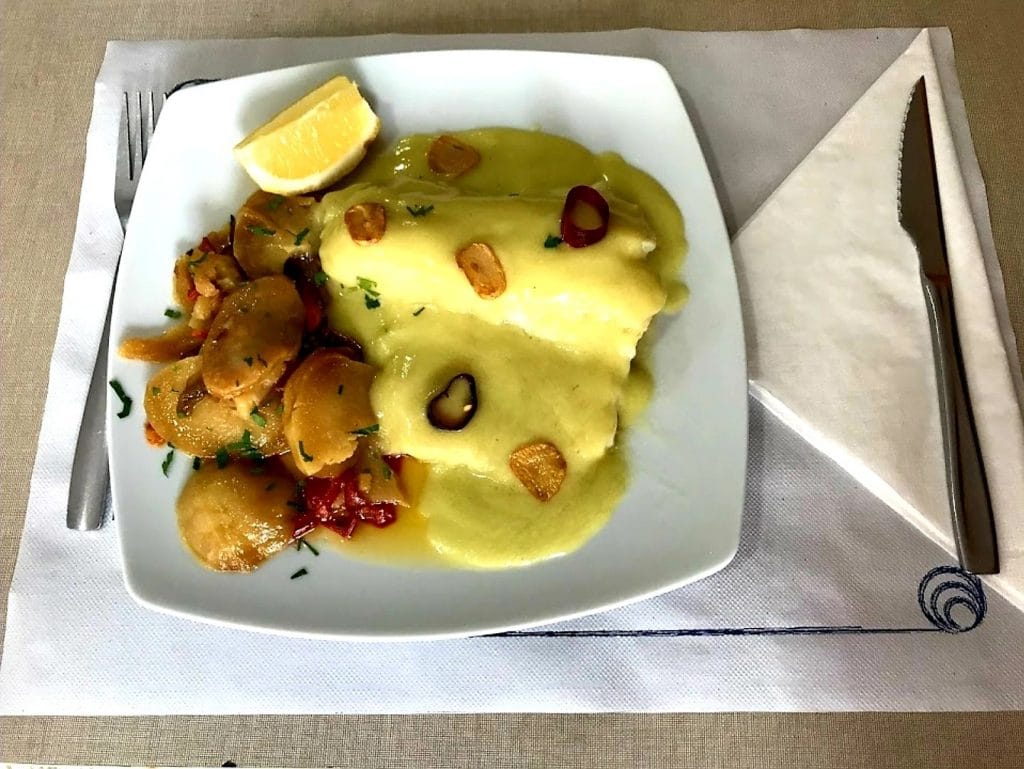
Casa Kike is a true testament to the fact that one possible key to success is doing well what you’ve been doing all your life. No pretensions, no grandstanding. Regulars, international singers making the pilgrimage here, and national critics trying to unravel the secrets of its oxtail stew. The best way to gauge the quality of Casa Kike, however, is to visit it (and try its cod al pil pil).
Bichopalo
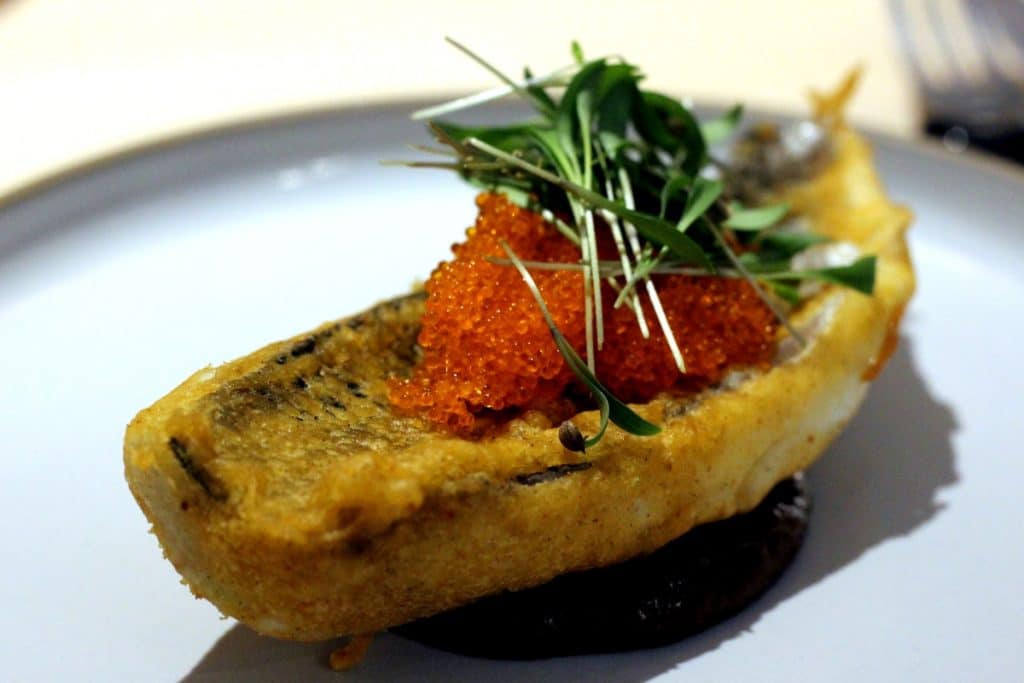
Bichopalo was born in the Barceló Market; the space became too small, so it emerged from its chrysalis to settle in Ponzano. At Bichopalo, the menu is easy to explain: a tasting menu that changes from time to time (but retains the chef’s signature touches), a blend of culinary trends, and ingredients of the very highest quality.

Diverxo hardly needs an introduction: a restaurant whose owner has been named the world’s best chef, which is always in the headlines, and which is the only Madrid restaurant to have made it onto a list of the world’s best restaurants. It’s not just a restaurant to visit before you die—it’s a restaurant you’d want to live in.
Jardín de los Duques
Jardín de los Duques is a restaurant with a highly unconventional location: the former stables of an Elizabethan palace, next to the Royal Palace, in the heart of Madrid de los Austrias. Under the direction of chef Manuel Arenilla, it offers a menu that reimagines Madrid’s culinary traditions with seasonal ingredients and dishes such as suckling pig, the creamiest Iberian ham croquettes, torreznos, and fresh fish from the market, all set in the elegant surroundings of a garden right in the city center.
Batch

Batch is one of the most interesting stalls at the Vallehermoso Market. Here, in addition to natural wines, they make their own ferments, so it’s both a shop and a small restaurant with a tasting menu. Fermenter Nacho García and chef Daniel Vare decided to include a wide variety of natural wines on their menu from the moment they opened their market stall. The truth is that, in addition to those packs of fermented beverages and wines (which they also sell online), their cuisine has been gaining prominence, becoming their main draw.
El Pedrusco de Aldealcorvo
El Pedrusco de Aldealcorvo is a Castilian grill in Chamberí where the specialties are suckling lamb and suckling pig roasts in a century-old wood-fired oven, prepared according to traditional recipes. But they don’t just excel at roasts; for starters, they offer delicacies such as Iberian pork cracklings, Segovian blood sausage, Russian salad with quince vinegar, and a modern take on garlic soup.
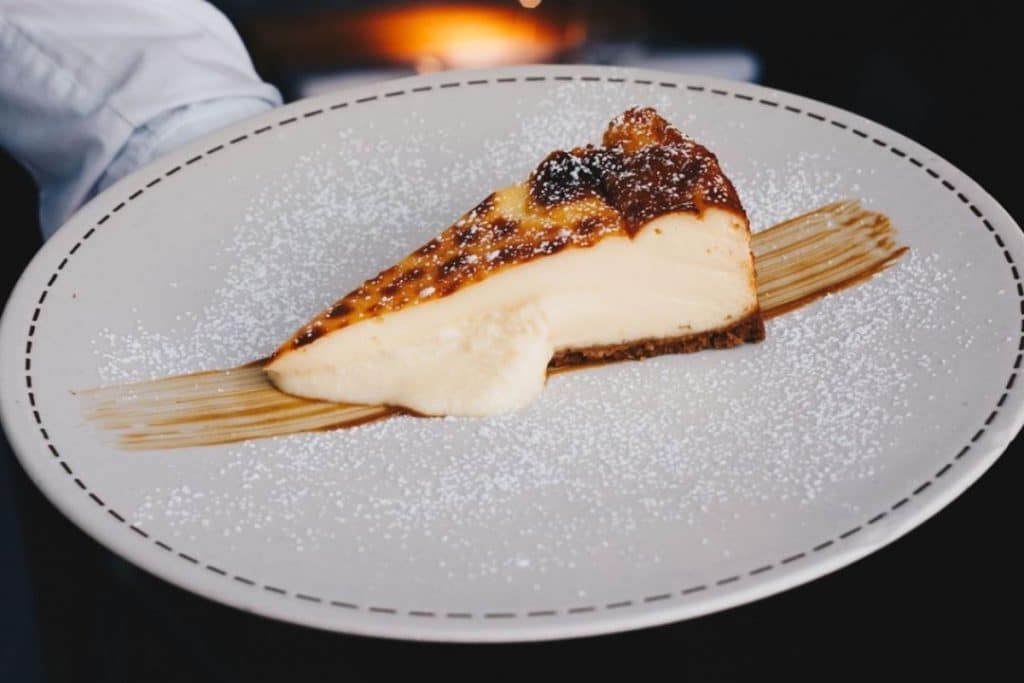
The tasting menu includes dishes such as fried egg croquettes, octopus a la brava, and their renowned cheesecake with Galmesano and Valdeón blue cheese. All of this explains why it’s one of the favorite restaurants of critic and influencer Alberto de Luna.
A Madrid classic. Little more can be said that hasn’t already been said about Casa Lucio, where monarchs, presidents from around the world, artists, athletes, and even astronauts have gathered. According to the tavern owner who lends his name to the business, he has been offered a Michelin star on many occasions, but has always turned them down because the real stars were already seated in his establishment. If you haven’t tried it yet, the fried eggs are a must. It’s almost like visiting the Vatican and not waiting in line for the Sistine Chapel.
Casa Julián de Tolosa
You don’t have to go far from Casa Lucio to find another of Madrid’s best restaurants. A temple of fine meat where you can enjoy delicious grilled ribeye steaks. So much so that Forbes even ranked them as the best in the world. But its history dates back to the 1950s, in the town of Tolosa in Gipuzkoa, making it one of the first known Basque steakhouses. Today, it has two locations in the capital.
La Maruca
When it comes to classics, La Maruca simply had to be on this list. It belongs to the same group as La Primera, La Bien Aparecida, and Cañadío, which a few years ago was named the best restaurant in Spain for potato omelets. La Maruca is a proven phenomenon, a true must-visit for lovers of fine cuisine. It has three locations in Madrid; all three are well-located, spacious, and offer incredibly efficient service.

Specialty restaurants always inspire a special sense of trust, whether because they focus on a single dish or because one ingredient dominates the entire menu. The latter is the case at El Brote. Here, mushrooms are even in the dessert, though the dishes vary by season because, since they focus on a product so dependent on the weather, the entire menu has to adapt accordingly. The owners are expert and passionate mycologists who always know how to source the best produce (or mushrooms) of each season.
Pury
Pury is chef Jinwon Yoon’s personal venture to bring the extreme specialization of Seoul’s taverns to Madrid. Far from endless menus, his restaurant at Calle de las Veneras, 3 focuses on perfectly executing the three pillars of popular Korean cuisine: fermented foods, methodically cooked meats, and vibrant textures.
The culinary offering revolves around Jokbal (marinated pork knuckle) and Bossam (steamed pork belly), served with artisanal kimchi that serves as the backbone of every dish. The experience is rounded out with cold buckwheat noodles with sesame and a carefully curated selection of traditional spirits such as soju and rice wine, cementing Pury’s status as a benchmark for authenticity and excellent value in the heart of the capital’s Korean culinary scene.
Yokaloka

Yokaloka’s ramen is top-notch—or to put it more precisely, worthy of a TV series, as it inspired Isabel Coixet in her series *Foodie Love*, where the protagonist claims it’s the best ramen in the world.
This Japanese restaurant takes its name from Yoka Kamada, the Japanese chef who has been at the helm of the kitchen for over 14 years. In addition to the ramen, which is simmered for 12 hours, the Yokalokasushi set isa must-try.
Santa Canela

They say that good things, if brief, are twice as good; and that applies perfectly to Santa Canela’s menu, where you can’t go wrong no matter what you order. Although not as well-known as some of the other names on this list, it has quickly built a loyal customer base with a menu that includes traditional classics, tapas, burgers… We can’t help but recommend their “patatas bravísimas”: with a homemade sauce made from chipotle chili and yellow chili peppers over a bed of sobrasada and fennel—a true indulgence.
Dimibang

Its name, “Dimibang,” refers to what is considered the first cookbook written by a woman in East Asia, a true benchmark in Korean cuisine. A very fitting name for a restaurant that has managed to bring the flavors of Korea right to the heart of Argüelles. If, in addition to eating (very) well, you want to have a good time, the Korean barbecue—cooked right at your table—is a fun and ideal option for those who see dining as an opportunity to share.
Nakeima
Nakeima’s reputation guarantees a line. It has no website, and it’s hard to reach them by phone, so dining at this Asian fusion restaurant is a 100% analog experience—and that might be part of its charm. One of its highlights is that, although it offers a tasting menu, you can stop whenever you want; if you’re full or don’t want to eat anymore, you don’t have to finish the whole thing. Another unique feature is that there’s no advance information about what you’ll be served; you don’t know anything about the next dish until it’s brought to you.
Tripea

Tripea opened in 2017 and continues to garner accolades, such as the award it received this year for best market stallin the region at the ceremony held by ACYRE (Association of Chefs and Pastry Chefs) during the 50th edition of the Community of Madrid Gastronomic Competition.
Its tasting menu is one of the most appealing and reasonably priced in Madrid (it costs €60) given the quality it offers. It consists of 8 courses where ceviches, dumplings, and grilled meats shine.
Ugo Chan
Ugo Chan is one of the biggest restaurant openings of the decade in Madrid, thanks in part to recognition from Dabiz Muñoz onhis Instagram, as well as other culinary gurus like Eric Vernacci. It is chef Hugo Muñoz’s solo venture, following his time in the kitchens of Kabuki, Shikku, and KBK and the creation of the UMO concept. All promising signs, backed by a Michelin star that attests to its quality.
El Corral de la Morería

El Corral de la Morería is one of the most famous flamenco venues and also one of the best restaurants in Madrid. This isn’t just an opinion; it was recognized as the best restaurant in Madrid in 2021 by the Madrid Association of Chefs and Pastry Chefs (ACYRE) and also holds a Michelin star and two Repsol Suns. Its menu reflects chef David García’s commitment to organic farming, controlled cultivation, and high-quality ingredients.
Hiro
Hiro, right in the heart of Malasaña, is one of the restaurants that has generated the most buzz since it opened in October 2024. Its approach is label-free, creative cuisine brimming with international influences. Among its most interesting dishes are the saam of sweetbreads and shrimp—a surf-and-turf bite wrapped in chard leaves with tartar sauce—and the beef sweetbread, considered by many to be the best in Madrid, cooked at a low temperature and served with yuzu beurre blancand Creole sauce. Don’t miss the yogurt with an olive oil base; it’s the perfect finishing touch to a great meal.
Kitchen 154 is a restaurant that, although known for its spicy dishes, attracts even those who are usually wary of chili peppers in all their forms. Its reputation has grown over the years through word of mouth, because if you mention spicy food in this city, it’s rare for Kitchen 154 not to come up in the conversation. The menu is concise, with many references to Asian street food—from India to Korea—and a nod to local cuisine. A good example is the Oreja killing me, a Madrid classic with a Thai twist.
Very few restaurants in Spain or the world can boast a history as distinguished as Zalacaín’s. A gastronomic temple par excellence, synonymous with a unique dining experience and a meeting place for personalities from all walks of life since its founding nearly fifty years ago. Its menu features a selection of its most iconic dishes, some of which remain and others that have returned, such as the Búcaro “Don Pío” (Consomé Gelée, smoked salmon, quail egg, and caviar) or the and Bacalao Tellagorri.
Smoked Room

Smoked Room was another major opening of 2021. It has been so successful that just six months after opening, it received two Michelin stars. At the helm of this restaurant, located in the Hyatt Hesperia hotel, are Dani García and Massimiliano Delle Vedove. Exclusivity permeates this project, from the menu to the décor, with seating for only 14 people.
Casa Botín
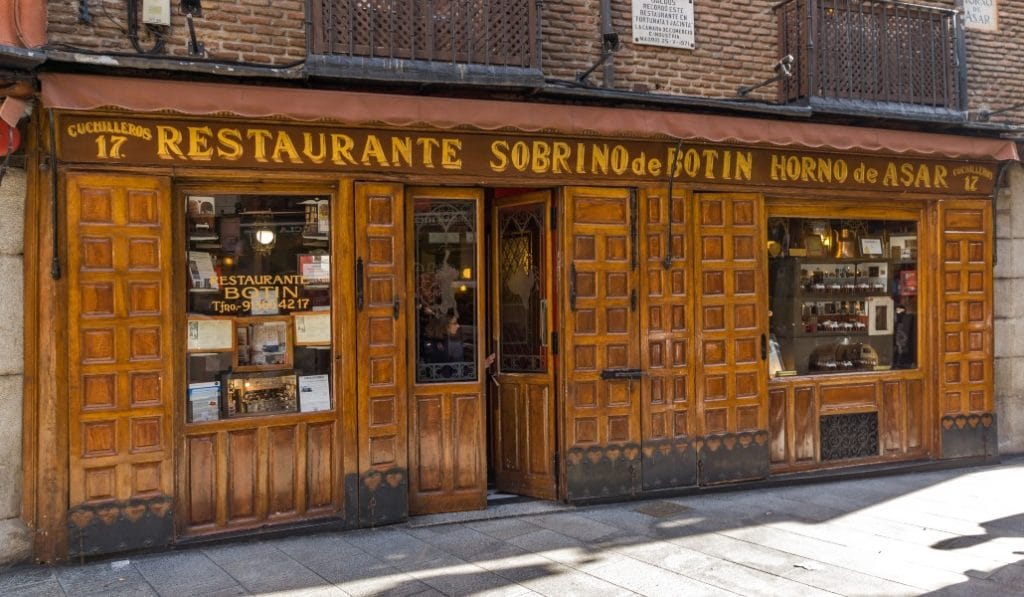
This list wouldn’t be complete without the oldest restaurant not only in the city but (literally) in the world: 295 years of history behind it and, even so, a bright future ahead. From the Arco de Cuchilleros, this gastronomic institution has stood the test of time by combining tradition and innovation in its restaurant, and now also at the Terraza de 1725 Gourmet.
Farah
At Farah, they describe themselves as a dining spot with a Levantine flair. Their menu features classic dishes from the Eastern Mediterranean, though reimagined and updated by chef Heba Kharouf. From baba ganoush to grilled octopus to pistachio ice cream, their menu is packed with crowd-pleasers.
Casa Lhardy

Founded in 1839, Lhardy is one of the oldest restaurants in the capital— —the best place to eat Madrid-style cocido, and undoubtedly one of the best restaurants in Madrid. Furthermore, after nearly filing for bankruptcy following the pandemic, it was acquired by Pescaderías Coruñesas, who have brought it back to life. Its dining rooms have managed to remain in the collective imagination of Madrid thanks to artists like C. Tangana, who featured it in a music video for his album *El Madrileño*.